- How often do you need to calibrate a torque wrench?
As a general rule, calibrate every 12 months or 5,000 cycles (whichever comes first). For high-use or safety-critical work, shorten the interval to 3–6 months or set a usage-based schedule. We follow ISO 6789:2017-2 and provide traceable certificates.
Why Pressure Gauge Calibration Is Essential
Thursday, 06 August 2026
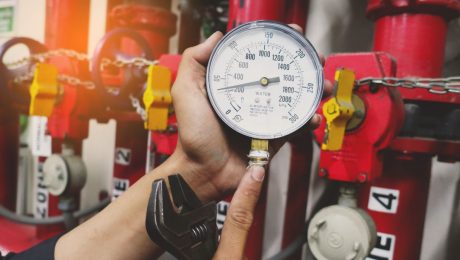
Pressure gauges are relied upon across manufacturing, construction, mining and industrial facilities to monitor equipment operating safely and efficiently. Over time, normal wear, vibration and harsh operating conditions can affect their accuracy, making regular calibration an important part of any maintenance programme.
Pressure gauge calibration compares a gauge against a traceable reference standard to verify that it is providing accurate readings. This helps ensure equipment operates within its intended pressure range while supporting workplace safety, product quality and regulatory compliance.
Why Pressure Gauges Lose Accuracy
Pressure gauges are constantly exposed to demanding operating conditions. Repeated pressure cycles, vibration, temperature changes and occasional pressure spikes gradually affect the internal components responsible for measurement.
As these components wear, the gauge may begin displaying incorrect readings without any obvious signs of failure. A gauge reading higher or lower than the actual system pressure can lead to incorrect equipment settings, unnecessary maintenance or, in some cases, unsafe operating conditions.
Visible signs such as a pointer failing to return to zero, fluctuating readings or inconsistent measurements compared with other instruments often indicate that calibration or replacement is required.
Regular calibration identifies these issues before they develop into larger operational problems.
What Happens During Pressure Gauge Calibration?
Professional pressure gauge calibration begins with a visual inspection to check for physical damage, contamination or signs of wear. The gauge is then connected to certified reference equipment and tested at multiple pressure points throughout its operating range.
Technicians compare the gauge readings with the reference standard to determine whether the instrument remains within its specified tolerance. Where possible, adjustments are made before the gauge is retested to confirm accurate performance.
Once calibration has been completed, a detailed calibration certificate records the results, providing evidence that the instrument has been tested against traceable measurement standards.
This documentation supports maintenance records, quality assurance systems and compliance requirements.
When Should Pressure Gauges Be Calibrated?
Most industrial pressure gauges should be calibrated at least annually, although equipment operating in demanding environments or critical applications may require more frequent testing.
Calibration should also be performed whenever a gauge has experienced mechanical shock, overpressure, repair or displays inconsistent readings. Removing inaccurate instruments from service promptly helps reduce operational risks while maintaining confidence in pressure measurements.
Implementing a scheduled calibration programme allows businesses to monitor equipment performance consistently while reducing unexpected failures and downtime.
Routine calibration also extends the useful life of measuring equipment by identifying wear before major faults develop.
How Xcalibration Supports Pressure Gauge Accuracy
Xcalibration provides professional pressure gauge calibration services for industrial businesses throughout Australia. With both laboratory based and mobile onsite calibration capabilities, the company helps organisations maintain accurate measurement equipment while minimising operational disruption.
Each calibration includes detailed documentation with NATA traceable results, supporting quality management systems and regulatory compliance. In addition to pressure gauges, Xcalibration also calibrates a wide range of industrial measurement equipment, allowing businesses to manage multiple instruments through a single trusted provider.
By delivering accurate, reliable calibration services supported by experienced technicians and comprehensive reporting, Xcalibration helps businesses maintain safe operations, improve measurement confidence and protect the long term performance of their equipment.
- Published in Calibration
No Comments
Why Hydraulic Torque Wrench Calibration Matters
Thursday, 06 August 2026
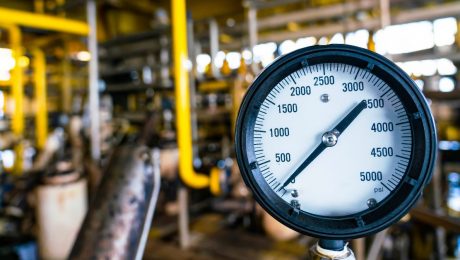
Hydraulic torque wrenches are used throughout mining, construction, energy, manufacturing and heavy industry where accurate bolt tension is critical to safety and equipment performance. Over time, normal wear, pressure fluctuations and regular use can affect torque accuracy, making periodic calibration essential.
Hydraulic torque wrench calibration verifies that the relationship between hydraulic pressure and delivered torque remains accurate. This helps ensure fasteners are tightened to the required specification while supporting safe operations, equipment reliability and compliance with industry standards.
Why Regular Calibration Is Important
Hydraulic torque wrenches operate under high loads, and even small changes in performance can affect the amount of torque applied to critical fasteners. As seals, gauges and internal components wear, the tool may gradually drift outside acceptable tolerances.
Under tightened fasteners can loosen during operation, increasing the risk of leaks, equipment movement or structural failures. Over tightening can stretch bolts beyond their design limits, damage threads and create future maintenance problems.
Regular calibration identifies these changes before they affect operational performance. Maintaining accurate torque output also improves consistency across maintenance programmes while reducing the likelihood of costly rework or equipment failures.
For safety critical applications, reliable calibration provides confidence that every fastener has been tightened correctly.
How Hydraulic Torque Wrench Calibration Works
Professional calibration compares the torque wrench against traceable reference equipment to verify the relationship between hydraulic pressure and actual torque output. Multiple test points are measured throughout the operating range to confirm the tool performs within its specified tolerances.
If the hydraulic wrench is out of specification, servicing or repairs may be required. Once these are performed, the technicians recalibrate the wrench before repeating the testing process to verify accuracy. Pumps, hoses and associated components may also be inspected to identify wear or damage that could affect overall system performance.
Once testing is complete, a calibration certificate records the measured results and confirms the equipment has been tested against recognised reference standards.
This documented process supports maintenance records, quality systems and regulatory compliance.
When Should Hydraulic Torque Wrenches Be Calibrated?
Most hydraulic torque wrench manufacturers recommend calibration at least once every twelve months under normal operating conditions. However, equipment used frequently or in demanding environments may require more regular calibration depending on usage and operational risk.
Calibration should also be arranged whenever a torque wrench has been dropped, overloaded, repaired or displays signs of inconsistent performance. Visible hydraulic leaks, damaged hoses or unexpected torque variations may indicate the tool should be removed from service until it has been inspected.
Establishing a structured calibration programme helps maintain equipment reliability while reducing unexpected downtime during critical maintenance activities.
Routine calibration also supports long term asset management by identifying developing issues before they result in equipment failure.
How Xcalibration Supports Hydraulic Torque Tool Accuracy
Xcalibration provides hydraulic torque wrench calibration services throughout Australia using both laboratory facilities and purpose built mobile calibration vehicles. The company delivers NATA traceable calibration services that help industrial businesses maintain accurate torque equipment while reducing operational disruption.
In addition to calibration, Xcalibration provides inspection, testing and minor repairs where required, allowing many issues to be addressed before equipment returns to service. Detailed calibration certificates support maintenance records, quality assurance systems and compliance requirements across industries including mining, manufacturing, construction and energy.
By combining technical expertise, traceable measurement standards and flexible onsite calibration capability, Xcalibration helps Australian businesses maintain safe, accurate and reliable hydraulic torque equipment throughout its operating life.
- Published in Calibration
Pressure Gauge Calibration Frequency: How to Maintain Accuracy and Compliance
Friday, 01 May 2026
Accurate pressure measurement is essential for safe and efficient operations. Small errors in readings can quickly affect equipment performance, product quality, and workplace safety. Establishing the right calibration frequency helps ensure that gauges continue to provide reliable information over time.
Pressure gauges naturally drift as components experience wear and environmental exposure. Without regular checks, these changes can go unnoticed until they create larger issues. A structured calibration schedule allows potential problems to be identified early and addressed before they affect operations.
Why Calibration Frequency Matters in Industrial Settings
Pressure readings influence a wide range of processes. Operators rely on accurate data to maintain safe limits and ensure equipment functions correctly. When readings are inaccurate, systems may be pushed beyond their intended capacity, increasing the risk of damage or failure.
In manufacturing environments, incorrect pressure can affect production quality. Variations in readings may lead to inconsistent results, resulting in waste or rework. Maintaining accurate gauges supports consistent output and reduces the likelihood of defects.
Compliance is another important factor. Regulations require measurement equipment to be maintained within specified tolerances. Regular calibration provides documented evidence that equipment meets these standards, helping organisations meet their legal obligations.
Understanding Baseline Calibration Intervals
A common starting point for calibration is an annual schedule. This interval suits many applications where conditions are stable and equipment usage is moderate. Regular yearly checks help identify gradual changes in performance and maintain accuracy.
However, a fixed schedule may not suit every situation. Some environments place greater demands on equipment, which can accelerate wear. In these cases, shorter intervals may be required to maintain reliable readings.
Establishing a baseline allows organisations to create a structured plan. From this starting point, adjustments can be made based on the specific conditions and requirements of each application.
Factors That Influence Calibration Frequency
Several factors affect how often calibration should be performed. Equipment usage is one of the most significant. Gauges that operate continuously or experience frequent pressure changes are more likely to drift and require more frequent checks.
Environmental conditions also play a role. Exposure to heat, vibration, moisture, or contaminants can impact performance. In harsher environments, calibration intervals may need to be shortened to maintain accuracy.
Manufacturer recommendations provide useful guidance. These guidelines are based on testing and expected performance under typical conditions. Following these recommendations helps ensure that equipment remains within acceptable limits.
The importance of the measurement itself should also be considered. Critical applications that affect safety or compliance require a higher level of accuracy. In these cases, more frequent calibration supports risk management and operational reliability.
Building an Effective Calibration Programme
Developing a structured calibration programme helps maintain consistent performance across all equipment. This involves setting clear intervals, maintaining accurate records, and reviewing performance regularly.
Professional calibration services provide expertise and equipment needed to perform accurate checks. Technicians use certified standards to verify readings and identify any deviations. This process ensures that measurements remain reliable and traceable.
Record keeping is an important part of the programme. Documentation provides evidence of compliance and helps track performance over time. Maintaining clear records supports audits and simplifies future planning.
Regular review of calibration data allows adjustments to be made when needed. If a gauge shows signs of frequent drift, intervals can be shortened to maintain accuracy. This flexible approach ensures that the programme remains effective as conditions change.
Maintaining Accuracy for Long Term Performance
Consistent calibration supports both safety and efficiency. Accurate measurements allow systems to operate within their intended limits, reducing the risk of failure and improving overall performance.
A proactive approach to calibration helps prevent issues before they occur. By monitoring equipment regularly, organisations can maintain control over their processes and reduce unexpected disruptions.
Understanding how calibration frequency affects performance allows for better decision making. By combining a structured schedule with ongoing assessment, it is possible to maintain reliable measurement systems that support safe and efficient operations over time.
- Published in Calibration
Electrical Calibration in Harsh Environments: Maintaining Accuracy in Challenging Conditions
Friday, 01 May 2026
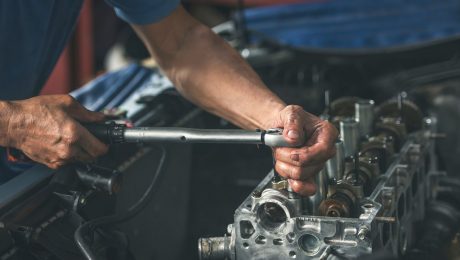
Electrical instruments are designed to deliver precise readings, yet their performance can be affected by the environments in which they operate. When equipment is used outside controlled conditions, factors such as heat, moisture, and interference can influence results. Maintaining accuracy in these settings requires a structured approach to calibration.
Industrial environments often expose instruments to conditions far beyond standard laboratory settings. Without proper calibration, readings may drift over time, leading to unreliable measurements. This can affect safety, compliance, and operational efficiency across a wide range of applications.
Environmental Factors That Affect Calibration Accuracy
Temperature plays a significant role in measurement stability. Changes in heat can alter the properties of internal components, causing small shifts in readings. These variations may seem minor but can accumulate over time, reducing overall accuracy.
Humidity also impacts performance. Moisture can create conductive paths on surfaces, affecting high impedance measurements. In environments where dust is present, these effects can be amplified, as particles combine with moisture to influence electrical behaviour.
Electromagnetic interference introduces another layer of complexity. Equipment operating near large electrical systems may pick up unwanted signals. These disturbances can affect readings, making it difficult to distinguish between actual values and background noise.
Physical conditions such as vibration and movement can further affect instruments. Repeated exposure to these factors may alter internal alignment, leading to gradual changes in calibration.
The Impact of Downtime and Compliance Requirements
Calibration is not only a technical requirement but also a practical consideration. When equipment is unavailable for calibration, operations may be delayed. This can affect productivity and create additional pressure on resources.
Compliance requirements add another level of responsibility. Accurate records are needed to demonstrate that equipment meets required standards. Without proper documentation, organisations may face challenges during audits or inspections.
Maintaining calibration helps ensure that measurements remain reliable. This supports both operational efficiency and adherence to regulatory requirements.
Approaches to Maintaining Reliable Calibration
A structured calibration programme helps manage these challenges. Regular scheduling ensures that equipment is checked before significant drift occurs. Adjusting intervals based on usage and environmental conditions improves effectiveness.
Onsite calibration can reduce downtime. By performing checks where equipment is used, it is possible to maintain accuracy without removing instruments from service for extended periods. Controlled conditions can still be achieved through specialised setups.
Using certified reference standards ensures that measurements remain traceable. This provides confidence in results and supports compliance with recognised requirements.
Maintaining clear records is essential. Documentation allows organisations to track performance and demonstrate adherence to standards. Keeping this information organised simplifies audits and supports long term planning.
Ensuring Long Term Accuracy in Demanding Environments
Consistency in calibration supports reliable performance over time. By monitoring equipment regularly, it is possible to identify changes early and take corrective action. This reduces the risk of unexpected issues and maintains operational stability.
Adapting calibration practices to suit environmental conditions improves results. Recognising the specific challenges of each setting allows for more effective management of equipment.
A proactive approach to calibration ensures that instruments continue to perform as expected. By combining regular checks with appropriate methods, organisations can maintain accuracy even in demanding environments.
- Published in Calibration
Torque Wrench vs Torque Multiplier Calibration Guide
Monday, 23 March 2026
A single loose bolt or an over tightened connection can stop an operation without warning. In many cases, the issue is not operator error but the wrong tool choice or a tool that has drifted out of calibration. The torque wrench vs torque multiplier decision is therefore not just about tooling. It directly affects accuracy, safety, and compliance across industrial environments.
What’s The Difference Between A Torque Wrench And A Torque Multiplier
A torque wrench is designed to apply and measure torque directly at the fastener. Common types include click, beam, and digital models, each offering controlled tightening within a defined accuracy range. These tools are widely used for moderate torque applications where precision is critical.
A torque multiplier works differently. It increases the torque applied by an input tool through a gear system. This allows operators to achieve very high torque outputs without excessive physical force. The multiplier itself does not measure torque. It relies on the accuracy of the input tool, usually a torque wrench.
This difference is critical in any torque calibration comparison. A torque wrench controls and measures torque, while a multiplier amplifies it. Because of this, both tools must be considered together when planning calibration.
Where Each Tool Is Used Across Australian Industry
Torque wrenches are commonly used in applications where accuracy and repeatability are essential. Automotive workshops rely on them for wheel nuts and engine components. Manufacturing environments use them for assembly processes where consistent clamp force is required. Infrastructure and rail projects also depend on accurate torque application to maintain safety and structural integrity.
Torque multipliers are used in heavy industries where very high torque is required. Mining operations use them on large equipment and structural connections. Oil and gas facilities apply them to flanges and pressure systems. Power generation sites use them for turbines and heavy mechanical assemblies. In these environments, standard torque tools cannot safely achieve the required load.
In many operations, both tools are used together. A calibrated torque wrench provides the input, and the multiplier increases it to the required level. This combined use makes calibration of the entire system essential.
Torque Wrench Calibration Requirements
Torque wrenches require regular calibration to maintain accuracy. Over time, internal components such as springs and mechanisms can drift due to wear, repeated use, or environmental conditions. This drift affects the accuracy of applied torque and can lead to under or over tightening.
Most maintenance programs recommend calibration every six to twelve months, depending on usage. Tools that have been dropped or overloaded should be checked immediately. During calibration, the wrench is tested across multiple points in its range using certified equipment. Adjustments are made until readings fall within acceptable tolerance.
Accurate torque wrench calibration ensures that applied torque matches the set value. This protects equipment, prevents failures, and supports compliance with quality standards. Without regular checks, even small deviations can create significant issues across multiple applications.
Torque Multiplier Calibration Requirements
Torque multipliers require a different calibration approach. Their gear systems do not drift in the same way as torque wrenches, but they are still subject to wear and mechanical stress. Over time, this can affect the multiplication ratio and overall performance.
Calibration involves verifying that the output torque matches the expected ratio when driven by a calibrated input tool. This is typically done using high capacity measurement equipment. Any deviation indicates wear or internal issues that need attention.
Because multipliers operate at very high torque levels, even small percentage errors can result in large differences in applied force. This can lead to damaged components or unsafe connections in critical applications. Regular verification ensures that performance remains consistent and reliable.
Calibration As A Complete System
In real world use, torque wrenches and multipliers often work as a single system. The final torque applied to a fastener depends on both tools performing correctly. If either tool is out of calibration, the result will not match the required specification.
A complete calibration strategy treats the torque chain as one process rather than separate components. This includes verifying the accuracy of the torque wrench, confirming the multiplier ratio, and ensuring all equipment is properly maintained.
Accurate records are also essential. Calibration certificates provide traceability and support compliance with industry standards. They also help maintenance teams track performance over time and identify potential issues early.
By maintaining both tools within specification, businesses can ensure reliable torque application, reduce risk, and protect critical assets across a wide range of Australian industrial operations.
- Published in Calibration
Dimensional Calibration Guide for Australian Industry
Monday, 23 March 2026
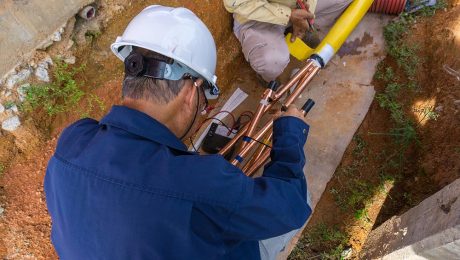
Accurate measurement underpins every successful project, from fabrication workshops to large scale construction and manufacturing operations. When a component falls outside its specified dimensions, the consequences extend beyond a single part. Delays, rework, and safety risks quickly follow. Dimensional calibration ensures that the tools used to measure these components remain accurate and reliable over time.
What Is Dimensional Calibration
Dimensional calibration is the process of comparing a measuring instrument against a known reference standard to determine its accuracy. Over time, tools such as callipers, micrometres, and gauges can drift due to wear, handling, and environmental conditions. Calibration identifies this drift and confirms whether the tool remains within its acceptable tolerance.
Traceability is a critical part of this process. Every measurement taken during calibration must link back to recognised standards. In Australia, this traceability connects to the National Measurement Institute, ensuring that measurements are consistent across industries and locations.
A typical calibration process begins with inspection and cleaning of the instrument. The tool is then stabilised in a controlled environment to minimise temperature related variation. Measurements are recorded before any adjustments are made, allowing technicians to understand how far the tool has drifted. The instrument is then compared against certified references, and if required, adjusted to bring it back within tolerance. Final measurements confirm that the tool meets its specification.
Certified documentation completes the process. Calibration certificates record results, environmental conditions, and traceability information. These records support quality systems and provide evidence during audits and inspections.
Dimensional Tools That Require Calibration
A wide range of instruments require regular dimensional calibration to maintain accuracy. Handheld tools such as callipers are used frequently in workshops and production lines, making them prone to wear and measurement drift. Micrometres are essential for tight tolerance work and must be checked to ensure precision across their range.
Dial indicators and test indicators are used to monitor alignment and movement in machinery. Their sensitivity makes calibration essential for accurate readings. Height gauges and surface plates support vertical measurements and layout work, requiring consistent verification to maintain reliability.
Basic tools such as steel rules and tape measures are often overlooked, yet they can wear or stretch over time. Even small errors in these tools can lead to larger issues in construction and fabrication projects.
Reference standards such as gauge blocks and fixed gauges form the basis for many calibration processes. These must be maintained to a higher standard, as they are used to verify other instruments. Advanced systems such as coordinate measuring machines also require specialised calibration to ensure accuracy across complex measurements.
Maintaining a consistent calibration approach across all tools helps ensure measurement reliability throughout an operation.
Who Needs Dimensional Calibration and Why
Dimensional calibration is essential across a wide range of Australian industries. Manufacturing operations rely on precise measurements to ensure components fit together correctly. Without accurate tools, production quality declines and rework increases, affecting both cost and delivery timelines.
Construction projects depend on accurate measurements to meet design specifications and safety requirements. Errors in measurement can lead to structural issues, compliance failures, and costly corrections.
Automotive workshops use calibrated tools to maintain vehicle performance and safety. Accurate measurements ensure components are installed and aligned correctly, reducing the risk of failure.
Industrial facilities manage a broad range of equipment and measurement tools across maintenance and production areas. Consistent calibration supports reliable operation and helps maintain compliance with quality systems.
Electrical contractors also rely on dimensional accuracy when installing and positioning equipment. Proper measurement ensures installations meet required clearances and standards.
Across all these sectors, the common requirement is confidence in measurement. Calibration provides that confidence by ensuring tools perform as expected and results can be trusted.
Maintaining A Practical Calibration Approach
A structured calibration program helps maintain accuracy while minimising disruption to operations. Regular scheduling ensures tools are checked before errors become significant. Combining in workshop calibration with onsite services reduces downtime and keeps equipment available for use.
Documentation plays a key role in this process. Accurate records support compliance, simplify audits, and provide a clear history of each instrument’s performance. Maintenance and repair services can also extend the life of tools, reducing the need for replacement.
By treating dimensional calibration as an ongoing process rather than a one off task, businesses can maintain consistent measurement standards. This approach supports quality, improves efficiency, and reduces the risk of costly errors across projects and operations.
- Published in Calibration
Common Gauge Errors and How Calibration Prevents Bad Readings and Failed Tests
Thursday, 26 February 2026
During a pressure test on a steam line, a gauge may show a safe reading while the system quietly operates closer to its limit than expected. The job is signed off, production continues, and later a relief valve lifts or a component fails. The cause often traces back to a gauge that had drifted out of tolerance. Regular pressure gauge calibration would have revealed the problem early.
This issue happens across manufacturing plants, construction sites, switchrooms and workshops. Gauges often look fine on the panel, even when the numbers no longer reflect reality. All gauges drift with time due to wear and changing conditions. Planned calibration is the only reliable way to detect this drift and keep readings accurate.
Why Gauges Drift Over Time
Drift is a normal outcome of repeated use. Mechanical pressure gauges rely on Bourdon tubes that flex with each cycle. Over time, this changes their shape. Internal components wear, causing the pointer to move less accurately.
Environmental exposure speeds up this wear. Temperature swings, humidity and vibration all affect internal parts. Gauges near engines, boilers or in outdoor conditions are under more stress. Even electronic sensors shift with time and thermal cycling.
Poor installation and misuse also contribute. If gauges are over-tightened, mounted without support or used near their maximum rating, they wear faster. These faults often go unnoticed during daily operation. That is why planned calibration is critical.
Common Error Patterns in Pressure Gauges
When a gauge drifts, the error rarely shows as one simple number. Patterns often reveal the cause. Zero error shifts all readings up or down. Span error shows accurate low readings but incorrect high ones. Linearity error appears when the middle of the range is wrong even if the ends are fine.
Hysteresis error causes different readings depending on whether pressure is rising or falling. Repeatability error is when repeated pressure gives inconsistent results. These faults may occur together, making the gauge unpredictable.
Visual checks cannot detect these errors. Professional calibration maps out the behaviour across the full range and determines if the gauge needs adjustment or replacement.
How Calibration Detects and Corrects Errors
Proper calibration uses reference standards that are far more accurate than the gauge. Pressure is applied at fixed points across the range. Readings are taken as pressure rises and falls, which reveals any irregularities.
The initial results are logged as found data. If the gauge is outside tolerance, adjustments are made. This can involve resetting zero, adjusting span or tuning internal parts. It is then tested again to produce as left data, showing that accuracy has been restored.
A calibration certificate confirms the results, with traceability to national standards. These records help during audits, prove due diligence and support quality control. Xcalibration offers this service both in-lab and onsite using mobile units, reducing downtime and allowing equipment to be tested where it operates.
What Happens Without Calibration
It is tempting to skip calibration when everything seems fine. But small errors build up. Safety margins shrink, and gauges may miss rising pressure until it is too late. Systems relying on these readings can fail without warning.
Product quality suffers when pressure-controlled processes drift. Failures can cause rework, delays and rejected batches. Energy costs rise as equipment runs under the wrong settings. Undetected leaks and faults lead to costly repairs.
These problems usually cost far more than the price of calibration. A failed test or shutdown caused by a faulty reading may damage both the operation and reputation. Regular calibration avoids these risks.
Why Planned Calibration Is a Business Advantage
Routine pressure gauge calibration protects safety, supports quality control and keeps inspections clean. Reliable gauges help technicians work faster and with more confidence. Accurate readings improve energy use and prevent avoidable damage.
Xcalibration helps Australian sites manage this process with traceable calibration both onsite and in-lab. Mobile vehicles offer fast, reliable service in controlled environments, reducing tool downtime and improving operational efficiency.
Instead of reacting to failure, businesses that treat calibration as planned maintenance stay ahead. They avoid fines, delays and safety risks while building trust with clients and regulators. With trained technicians and certified systems, accurate pressure readings become a strength rather than a weakness.
- Published in Calibration
Torque Multiplier Calibration – When It’s Required
Thursday, 26 February 2026
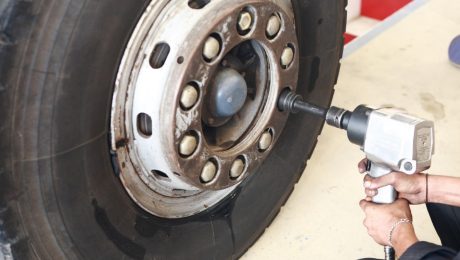
Torque multipliers play a crucial role in safety critical bolting. They take input from a torque wrench and deliver much higher output so heavy bolts on presses, cranes or trucks reach the required torque. When calibration slips, the output can drift from the target even though the tool feels normal. That is where real risk begins.
A multiplier that is even slightly out of specification can leave fasteners too loose or too tight without obvious signs. Poor torque control can crack flanges, damage gearboxes, cause leaks or halt production while teams find the source of failure. In many industries, these problems lead to missed deadlines, safety issues and added cost. A single uncalibrated tool can disrupt the entire bolting process and complicate audits and inspection records. Regular torque multiplier calibration, along with torque tool calibration for the full system, keeps operations within safe limits.
What Torque Multiplier Calibration Involves
A torque multiplier is a geared device that takes a low input torque and multiplies it through internal gears. Calibration checks that output against reference equipment linked to certified torque standards. This confirms that when the input wrench is set, the bolt receives the torque required.
Each multiplier has a marked gear ratio, such as five to one. That describes the gear train but not the true output. Friction inside the gearbox and bearings means the actual ratio may be lower, and it changes as parts wear. Accurate torque multiplier calibration ensures that any loss from wear is identified and corrected.
Undertorque can cause leaks or joint movement. Overtorque can crush gaskets or damage threads. Formal calibration with traceability to NATA or ISO standards ensures torque tools behave as intended and removes the guesswork from high-stakes work.
When Torque Multiplier Calibration Is Needed
Standards recommend torque tools be calibrated at least every twelve months or five thousand cycles, whichever comes first. Many apply this rule to multipliers as well. However, this is a base guideline. A tool exposed to frequent use, vibration or harsh conditions often needs more frequent checks.
Overloads beyond twenty five percent of the maximum, physical damage, or a sudden change in how the tool feels are clear triggers to send it for calibration. Storage, transport and improper use also shorten calibration intervals. Adjustable torque wrenches used with multipliers should not be wound below their scale minimum, as this affects accuracy.
Skipping these checks allows small errors to spread across every joint the tool touches. With safety, compliance and inspection standards tightening, keeping torque multiplier calibration on schedule is a basic requirement, not a luxury.
What Affects Torque Multiplier Accuracy
Many issues influence torque multiplier accuracy. Internal wear builds in the gearbox and bearings. This affects how much input torque reaches the fastener. As friction increases, the output torque drifts from what the label suggests.
The way the multiplier reacts against the job also matters. Different reaction arms or mounting angles can affect the load path. This changes the actual torque delivered. A calibration certificate should note which configuration was used during testing so teams can match it in the field.
System accuracy is more than just the gearbox. Pneumatic or hydraulic multipliers depend on the hoses, pumps and gauges that drive them. Any issue in those components affects torque output. Calibrating these tools with their actual equipment ensures accuracy reflects real use.
Environmental factors matter too. Heat, moisture and rough handling all impact how torque is transmitted. Professional calibration tests tools under realistic conditions, helping maintain reliable torque delivery in the field.
Risks Of Skipping Calibration
An uncalibrated multiplier gives no warning. It can feel normal but deliver too much or too little torque. This silent drift can lead to repeated errors, which may cause joint failures or structural issues.
Undertorque risks include loose fasteners, leaks or cracking under load. Overtorque can strip threads, deform parts or cause early failure. Either way, the cost is significant. Issues range from mechanical breakdowns to safety incidents, rejected work and reputational damage.
One faulty tool can stop production or delay a critical shutdown. Failed audits, non-compliance and disputes with clients or insurers add further cost. Regular torque multiplier calibration prevents these problems by confirming that tools perform within safe limits.
Why Professional Calibration Matters
Professional calibration offers benefits that in-house checks cannot match. Certified providers use reference equipment with traceability to national and international standards. The resulting certificate confirms the tool meets accepted tolerances. This supports audits, contracts and internal quality systems.
Technicians also identify signs of wear early. Gear damage or failing parts can be replaced before the tool breaks. This extends tool life and prevents emergency repairs or callouts. Regular servicing keeps fewer spares on hand and reduces downtime.
The result is confidence in your tools, better job planning and cleaner compliance records. Teams work faster when they trust the readings. Calibrated tools give predictable performance, reduce rework and support safe, efficient bolting.
Planning torque multiplier calibration reduces the risk of errors that damage equipment or compromise safety. It protects both productivity and reputation in high-value environments.
- Published in Calibration
How Long Does Torque Wrench Calibration Last? Best Practices for Reliability
Tuesday, 08 April 2025
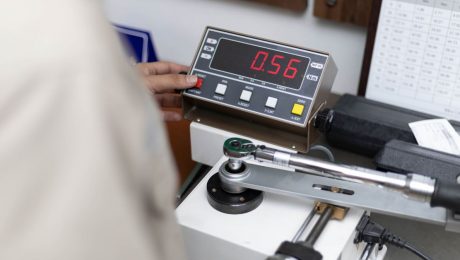
Torque wrenches—especially those used in industrial, aerospace, or automotive settings—rely on precise internal components to apply accurate force to bolts and fasteners. Over time, wear, environmental changes, and regular use can cause drift in these measurements. Understanding how long a calibration remains valid, and when to recalibrate, is crucial for both safety and compliance. Below, we explore typical calibration lifespans, what influences them, and how you can spot signs that recalibration is needed sooner.
Typical Calibration Lifespan for Torque Wrenches
- Annual Calibration
- Common Practice: Many organisations schedule torque wrench calibration every 12 months, striking a balance between cost and reliability. This cycle suits wrenches used moderately, such as in smaller repair shops or medium-volume manufacturing lines.
- Biannual or Quarterly for Intensive Use
- High-Demand Environments: Assembly lines or automotive racing teams frequently using torque wrenches at or near capacity may need biannual (every 6 months) or even quarterly calibrations.
- Traceable Records: Situations with high liability or strict quality standards (aerospace, medical devices) often use closer intervals to ensure absolute consistency.
- Usage-Based Intervals
- Cycle Counting: Some companies track how often the wrench is used—e.g., 5,000 fastener cycles—then send it in for calibration. This approach ensures recalibration is matched to actual wear and tear rather than a fixed timeline.
While the 12-month rule is widespread, the ideal interval truly depends on usage intensity, environment, and company quality requirements. Balancing these factors ensures your tool remains accurate without overpaying for unnecessary calibrations.
Factors Affecting Calibration Duration
- Frequency of Use
- Daily vs. Occasional: A wrench used daily on a busy production floor experiences more stress than one used sporadically. Frequent usage leads to faster internal component wear and potential calibration drift.
- Storage and Handling
- Protective Cases: Keeping torque wrenches in a sturdy, foam-lined case shields them from knocks or drops that might misalign or damage sensors.
- Temperature and Humidity: Extreme heat or cold can alter metallic parts or internal strain gauges. Likewise, high moisture may corrode or degrade internal mechanisms.
- Application Load
- Working at Upper Capacity: Continuously applying torque near the wrench’s maximum rating can speed up calibration drift.
- Shock Loads: Sudden, excessive force—like a slip or abrupt contact—can unsettle internal components, pushing them out of tolerance.
- Tool Quality
- Brand Reputation: Premium torque wrenches often maintain calibration longer due to superior materials and build quality.
- Maintenance: Regular lubrication (if the manufacturer recommends it), gentle cleaning, and not using the tool for tasks beyond its design help preserve accuracy.
Signs That Calibration May Be Required Sooner
- Inconsistent or Erratic Readings
- If the same torque setting yields different results on identical fasteners, suspect calibration drift. A simple cross-check with a reference gauge or second tool helps confirm.
- Difficulty Engaging “Click” (Mechanical Wrenches)
- If you notice the “click” mechanism is off, engaging too early or too late, the internal spring or other components may need recalibration or replacement.
- Physical Damage
- Dropping the wrench from height or noticing bent handles, rust, or cracks is a red flag. Even a minor fall can knock sensitive parts out of alignment.
- Production or Quality Deviations
- A spike in rejections, part failures, or assembly line errors might point to torque inaccuracies. If these deviations correlate with wrench usage, immediate recalibration is wise.
- Overdue Maintenance
- If you can’t recall the last calibration date and your records are incomplete, the best approach is to schedule a check rather than waiting for errors to appear.
Best Practices to Extend Calibration Lifespan
- Adhere to Manufacturer Guidelines
- Many producers advise storing wrenches at their lowest torque setting to relieve internal springs.
- Avoid using the tool as a breaker bar or hammer—misuse speeds up wear.
- Implement a Calibration Log
- Track usage (cycles or hours), calibration dates, and any observed deviations. This data helps refine intervals over time.
- Handle Tools with Care
- Avoid Dropping: Even minor shocks can cause intangible internal shifts.
- Clean Gently: Wipe away dust, chemicals, or debris after use—especially if the tool is used in a dirty or corrosive environment.
- Use Tolerance Checks in Between Calibrations
- Periodic Spot Tests: If your facility has a test rig or master torque device, run quick checks monthly or weekly to confirm the wrench is within range.
So, how long is a torque wrench calibration good for? Typically, you’ll see 6–12 months as a standard guideline, though high-use or critical applications might calibrate more frequently. Ultimately, the perfect interval hinges on usage patterns, the environment, and how carefully the tool is stored and handled. Over time, an evidence-based approach—tracking each wrench’s calibration history, usage, and any issues—reveals the most cost-effective schedule. Following these best practices ensures your torque wrenches remain safe, accurate, and efficient, preventing costly quality mishaps and compliance headaches.
- Published in Calibration, Torque Tools
Calibration Of Multimeters
Tuesday, 08 April 2025
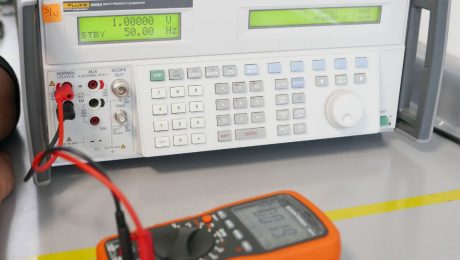
Why Multimeter Calibration Is Essential
Calibration is the process of verifying and adjusting an instrument’s accuracy by comparing it to a known standard. For multimeters, even a small deviation can result in incorrect readings, which can lead to misdiagnosed faults, safety risks, or compliance failures.- Maintain Measurement Precision: Even high-quality digital multimeters experience slight changes in performance over time due to internal component aging or environmental factors.
- Compliance with Industry Standards: Many industries require multimeters to be calibrated periodically to meet standards like ISO/IEC 17025, especially where measurements are tied to quality assurance or regulatory compliance.
- Safety and Reliability: A misreading from an uncalibrated multimeter could lead to dangerous mistakes, such as underestimating live voltage levels or incorrectly diagnosing faulty equipment.
- Audit and Traceability: For businesses, having calibrated instruments provides traceable measurement data that’s vital during audits or inspections.
Recommended Calibration Frequency for Multimeters
There is no one-size-fits-all schedule, but general guidelines apply based on usage and industry requirements:- Annually: This is the most common recommendation for standard usage across industrial or commercial settings.
- More Frequently for High-Use Environments: In sectors such as mining, power generation, or manufacturing where multimeters are used daily or under harsh conditions, calibration may be required every 6 months.
- After Repairs or Extreme Events: Any time a multimeter is dropped, exposed to high voltage, or repaired, it should be recalibrated before further use.
Signs Your Multimeter May Need Calibration
Even with regular calibration schedules, there are signs users should watch for that suggest a multimeter is no longer operating accurately:- Fluctuating Readings: Inconsistent results when measuring the same circuit may signal internal component drift.
- Out-of-Spec Measurements: If the readings don’t match known values (e.g. measuring a new battery), the meter may be out of calibration.
- Display Issues: Faded, blinking, or glitchy screens can indicate internal problems that may affect measurement integrity.
- Comparison With a Calibrated Device: If another recently calibrated multimeter shows a significantly different reading on the same test point, it’s time for calibration.
The Value of Professional Calibration Services
While some companies may have in-house calibration setups, most businesses benefit from outsourcing calibration to an accredited laboratory. XCalibration offers traceable, professional multimeter calibration services that comply with Australian standards and manufacturer specifications. Our technicians test every function, adjust as needed, and provide documentation for your compliance records. Regular calibration also extends the lifespan of your multimeter and supports proactive maintenance, reducing the likelihood of equipment failure. Multimeters absolutely need regular calibration to ensure the reliability of every reading they produce. Whether for safety, compliance, or quality control, staying on top of calibration schedules helps avoid costly mistakes and keeps operations running smoothly. If you’re unsure about your calibration needs, contact XCalibration to schedule your next multimeter calibration today.- Published in Calibration, Torque Tools
- 1
- 2