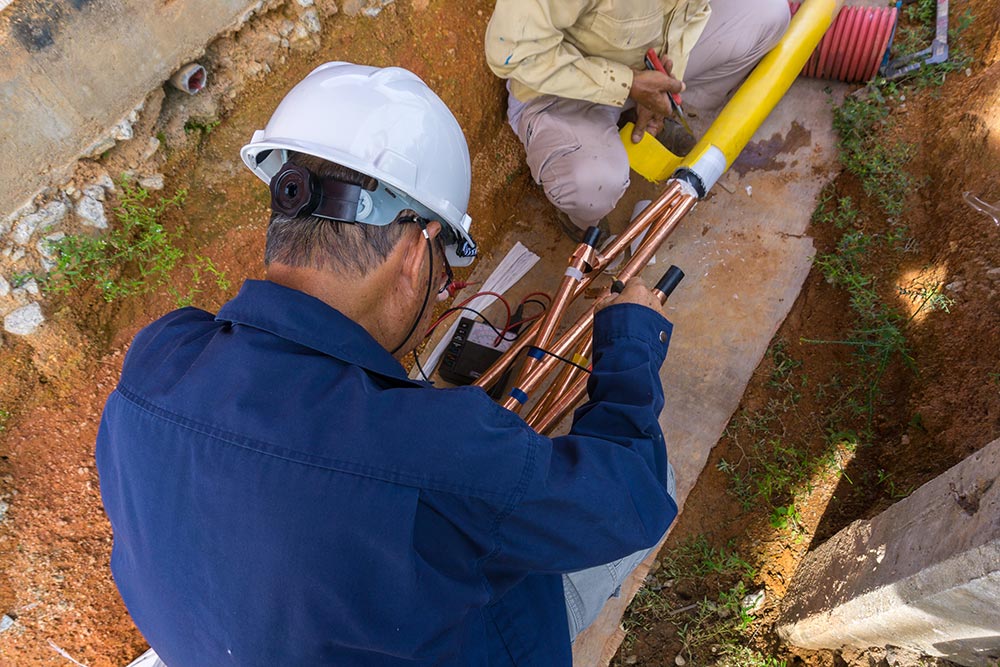
Accurate measurement underpins every successful project, from fabrication workshops to large scale construction and manufacturing operations. When a component falls outside its specified dimensions, the consequences extend beyond a single part. Delays, rework, and safety risks quickly follow. Dimensional calibration ensures that the tools used to measure these components remain accurate and reliable over time.
What Is Dimensional Calibration
Dimensional calibration is the process of comparing a measuring instrument against a known reference standard to determine its accuracy. Over time, tools such as callipers, micrometres, and gauges can drift due to wear, handling, and environmental conditions. Calibration identifies this drift and confirms whether the tool remains within its acceptable tolerance.
Traceability is a critical part of this process. Every measurement taken during calibration must link back to recognised standards. In Australia, this traceability connects to the National Measurement Institute, ensuring that measurements are consistent across industries and locations.
A typical calibration process begins with inspection and cleaning of the instrument. The tool is then stabilised in a controlled environment to minimise temperature related variation. Measurements are recorded before any adjustments are made, allowing technicians to understand how far the tool has drifted. The instrument is then compared against certified references, and if required, adjusted to bring it back within tolerance. Final measurements confirm that the tool meets its specification.
Certified documentation completes the process. Calibration certificates record results, environmental conditions, and traceability information. These records support quality systems and provide evidence during audits and inspections.
Dimensional Tools That Require Calibration
A wide range of instruments require regular dimensional calibration to maintain accuracy. Handheld tools such as callipers are used frequently in workshops and production lines, making them prone to wear and measurement drift. Micrometres are essential for tight tolerance work and must be checked to ensure precision across their range.
Dial indicators and test indicators are used to monitor alignment and movement in machinery. Their sensitivity makes calibration essential for accurate readings. Height gauges and surface plates support vertical measurements and layout work, requiring consistent verification to maintain reliability.
Basic tools such as steel rules and tape measures are often overlooked, yet they can wear or stretch over time. Even small errors in these tools can lead to larger issues in construction and fabrication projects.
Reference standards such as gauge blocks and fixed gauges form the basis for many calibration processes. These must be maintained to a higher standard, as they are used to verify other instruments. Advanced systems such as coordinate measuring machines also require specialised calibration to ensure accuracy across complex measurements.
Maintaining a consistent calibration approach across all tools helps ensure measurement reliability throughout an operation.
Who Needs Dimensional Calibration and Why
Dimensional calibration is essential across a wide range of Australian industries. Manufacturing operations rely on precise measurements to ensure components fit together correctly. Without accurate tools, production quality declines and rework increases, affecting both cost and delivery timelines.
Construction projects depend on accurate measurements to meet design specifications and safety requirements. Errors in measurement can lead to structural issues, compliance failures, and costly corrections.
Automotive workshops use calibrated tools to maintain vehicle performance and safety. Accurate measurements ensure components are installed and aligned correctly, reducing the risk of failure.
Industrial facilities manage a broad range of equipment and measurement tools across maintenance and production areas. Consistent calibration supports reliable operation and helps maintain compliance with quality systems.
Electrical contractors also rely on dimensional accuracy when installing and positioning equipment. Proper measurement ensures installations meet required clearances and standards.
Across all these sectors, the common requirement is confidence in measurement. Calibration provides that confidence by ensuring tools perform as expected and results can be trusted.
Maintaining A Practical Calibration Approach
A structured calibration program helps maintain accuracy while minimising disruption to operations. Regular scheduling ensures tools are checked before errors become significant. Combining in workshop calibration with onsite services reduces downtime and keeps equipment available for use.
Documentation plays a key role in this process. Accurate records support compliance, simplify audits, and provide a clear history of each instrument’s performance. Maintenance and repair services can also extend the life of tools, reducing the need for replacement.
By treating dimensional calibration as an ongoing process rather than a one off task, businesses can maintain consistent measurement standards. This approach supports quality, improves efficiency, and reduces the risk of costly errors across projects and operations.