A single loose bolt or an over tightened connection can stop an operation without warning. In many cases, the issue is not operator error but the wrong tool choice or a tool that has drifted out of calibration. The torque wrench vs torque multiplier decision is therefore not just about tooling. It directly affects accuracy, safety, and compliance across industrial environments.
What’s The Difference Between A Torque Wrench And A Torque Multiplier
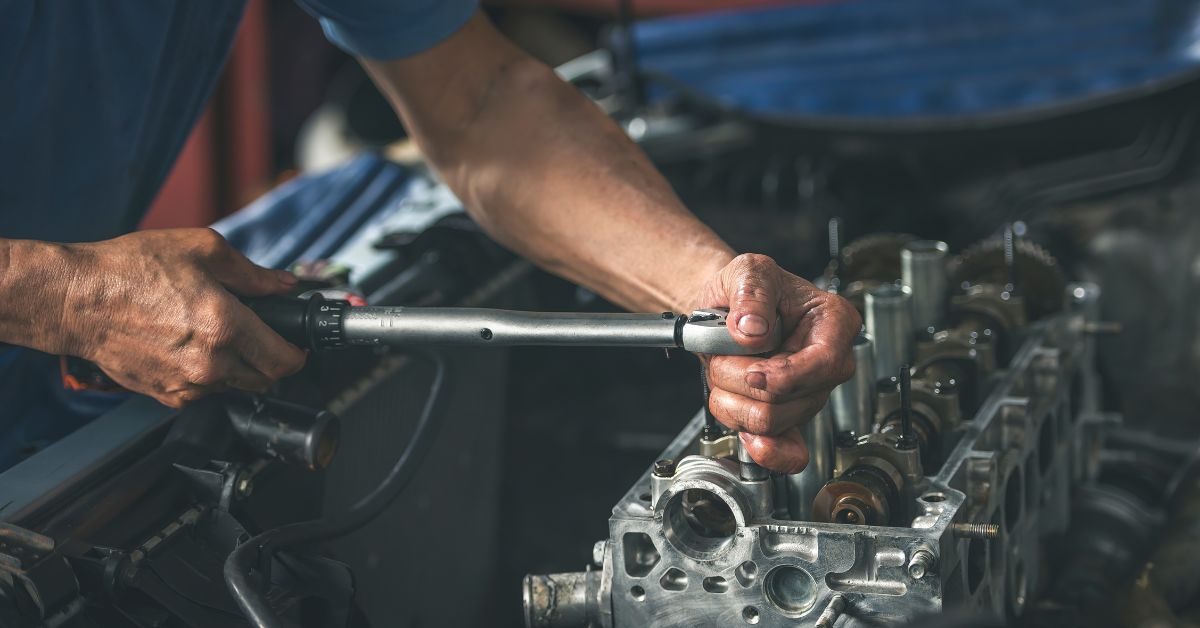
A torque wrench is designed to apply and measure torque directly at the fastener. Common types include click, beam, and digital models, each offering controlled tightening within a defined accuracy range. These tools are widely used for moderate torque applications where precision is critical.
A torque multiplier works differently. It increases the torque applied by an input tool through a gear system. This allows operators to achieve very high torque outputs without excessive physical force. The multiplier itself does not measure torque. It relies on the accuracy of the input tool, usually a torque wrench.
This difference is critical in any torque calibration comparison. A torque wrench controls and measures torque, while a multiplier amplifies it. Because of this, both tools must be considered together when planning calibration.
Where Each Tool Is Used Across Australian Industry
Torque wrenches are commonly used in applications where accuracy and repeatability are essential. Automotive workshops rely on them for wheel nuts and engine components. Manufacturing environments use them for assembly processes where consistent clamp force is required. Infrastructure and rail projects also depend on accurate torque application to maintain safety and structural integrity.
Torque multipliers are used in heavy industries where very high torque is required. Mining operations use them on large equipment and structural connections. Oil and gas facilities apply them to flanges and pressure systems. Power generation sites use them for turbines and heavy mechanical assemblies. In these environments, standard torque tools cannot safely achieve the required load.
In many operations, both tools are used together. A calibrated torque wrench provides the input, and the multiplier increases it to the required level. This combined use makes calibration of the entire system essential.
Torque Wrench Calibration Requirements
Torque wrenches require regular calibration to maintain accuracy. Over time, internal components such as springs and mechanisms can drift due to wear, repeated use, or environmental conditions. This drift affects the accuracy of applied torque and can lead to under or over tightening.
Most maintenance programs recommend calibration every six to twelve months, depending on usage. Tools that have been dropped or overloaded should be checked immediately. During calibration, the wrench is tested across multiple points in its range using certified equipment. Adjustments are made until readings fall within acceptable tolerance.
Accurate torque wrench calibration ensures that applied torque matches the set value. This protects equipment, prevents failures, and supports compliance with quality standards. Without regular checks, even small deviations can create significant issues across multiple applications.
Torque Multiplier Calibration Requirements
Torque multipliers require a different calibration approach. Their gear systems do not drift in the same way as torque wrenches, but they are still subject to wear and mechanical stress. Over time, this can affect the multiplication ratio and overall performance.
Calibration involves verifying that the output torque matches the expected ratio when driven by a calibrated input tool. This is typically done using high capacity measurement equipment. Any deviation indicates wear or internal issues that need attention.
Because multipliers operate at very high torque levels, even small percentage errors can result in large differences in applied force. This can lead to damaged components or unsafe connections in critical applications. Regular verification ensures that performance remains consistent and reliable.
Calibration As A Complete System
In real world use, torque wrenches and multipliers often work as a single system. The final torque applied to a fastener depends on both tools performing correctly. If either tool is out of calibration, the result will not match the required specification.
A complete calibration strategy treats the torque chain as one process rather than separate components. This includes verifying the accuracy of the torque wrench, confirming the multiplier ratio, and ensuring all equipment is properly maintained.
Accurate records are also essential. Calibration certificates provide traceability and support compliance with industry standards. They also help maintenance teams track performance over time and identify potential issues early.
By maintaining both tools within specification, businesses can ensure reliable torque application, reduce risk, and protect critical assets across a wide range of Australian industrial operations.