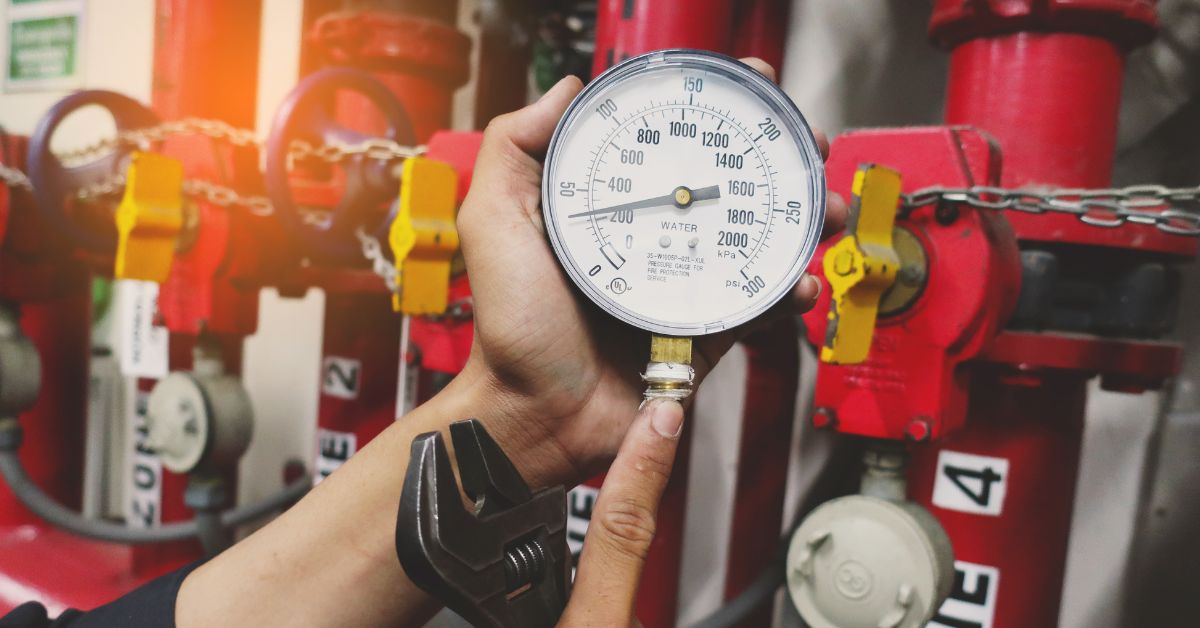
Accurate pressure measurement is essential for safe and efficient operations. Small errors in readings can quickly affect equipment performance, product quality, and workplace safety. Establishing the right calibration frequency helps ensure that gauges continue to provide reliable information over time.
Pressure gauges naturally drift as components experience wear and environmental exposure. Without regular checks, these changes can go unnoticed until they create larger issues. A structured calibration schedule allows potential problems to be identified early and addressed before they affect operations.
Why Calibration Frequency Matters in Industrial Settings
Pressure readings influence a wide range of processes. Operators rely on accurate data to maintain safe limits and ensure equipment functions correctly. When readings are inaccurate, systems may be pushed beyond their intended capacity, increasing the risk of damage or failure.
In manufacturing environments, incorrect pressure can affect production quality. Variations in readings may lead to inconsistent results, resulting in waste or rework. Maintaining accurate gauges supports consistent output and reduces the likelihood of defects.
Compliance is another important factor. Regulations require measurement equipment to be maintained within specified tolerances. Regular calibration provides documented evidence that equipment meets these standards, helping organisations meet their legal obligations.
Understanding Baseline Calibration Intervals
A common starting point for calibration is an annual schedule. This interval suits many applications where conditions are stable and equipment usage is moderate. Regular yearly checks help identify gradual changes in performance and maintain accuracy.
However, a fixed schedule may not suit every situation. Some environments place greater demands on equipment, which can accelerate wear. In these cases, shorter intervals may be required to maintain reliable readings.
Establishing a baseline allows organisations to create a structured plan. From this starting point, adjustments can be made based on the specific conditions and requirements of each application.
Factors That Influence Calibration Frequency
Several factors affect how often calibration should be performed. Equipment usage is one of the most significant. Gauges that operate continuously or experience frequent pressure changes are more likely to drift and require more frequent checks.
Environmental conditions also play a role. Exposure to heat, vibration, moisture, or contaminants can impact performance. In harsher environments, calibration intervals may need to be shortened to maintain accuracy.
Manufacturer recommendations provide useful guidance. These guidelines are based on testing and expected performance under typical conditions. Following these recommendations helps ensure that equipment remains within acceptable limits.
The importance of the measurement itself should also be considered. Critical applications that affect safety or compliance require a higher level of accuracy. In these cases, more frequent calibration supports risk management and operational reliability.
Building an Effective Calibration Programme
Developing a structured calibration programme helps maintain consistent performance across all equipment. This involves setting clear intervals, maintaining accurate records, and reviewing performance regularly.
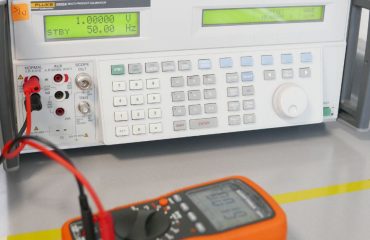
Professional calibration services provide expertise and equipment needed to perform accurate checks. Technicians use certified standards to verify readings and identify any deviations. This process ensures that measurements remain reliable and traceable.
Record keeping is an important part of the programme. Documentation provides evidence of compliance and helps track performance over time. Maintaining clear records supports audits and simplifies future planning.
Regular review of calibration data allows adjustments to be made when needed. If a gauge shows signs of frequent drift, intervals can be shortened to maintain accuracy. This flexible approach ensures that the programme remains effective as conditions change.
Maintaining Accuracy for Long Term Performance
Consistent calibration supports both safety and efficiency. Accurate measurements allow systems to operate within their intended limits, reducing the risk of failure and improving overall performance.
A proactive approach to calibration helps prevent issues before they occur. By monitoring equipment regularly, organisations can maintain control over their processes and reduce unexpected disruptions.
Understanding how calibration frequency affects performance allows for better decision making. By combining a structured schedule with ongoing assessment, it is possible to maintain reliable measurement systems that support safe and efficient operations over time.