Why PAT Testers Require Calibration for Accurate Testing
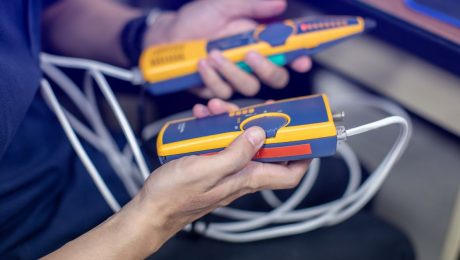
Portable Appliance Testing (PAT) testers are essential tools used to assess the electrical safety of appliances in commercial, industrial, and office settings. Whether you’re an electrician, safety officer, or responsible for workplace compliance, a PAT tester helps ensure that appliances are safe to use. But one question often arises: do PAT testers need calibration? The short answer is yes—regular calibration is essential to maintain accuracy, comply with regulations, and uphold safety standards.
Why Calibration is Necessary for PAT Testers
Over time, all measurement instruments, including PAT testers, can drift from their original factory-set accuracy. This drift can be caused by frequent use, exposure to varying environmental conditions, or internal component wear. Even small inaccuracies can result in unsafe equipment being passed as compliant—or safe appliances being failed unnecessarily.
By calibrating a PAT tester regularly, you ensure:
- The readings it provides are precise and trustworthy.
- Test results comply with relevant safety standards and legal obligations.
- You maintain your professional reputation and avoid costly liabilities.
Workplace Health and Safety (WHS) regulations in Australia don’t mandate calibration frequency, but they do require that equipment be properly maintained and accurate. That means if you’re relying on a PAT tester to confirm an appliance is safe, it must be working correctly—and that’s only possible with regular calibration.
How Often PAT Testers Should Be Calibrated
The general recommendation for PAT tester calibration is once every 12 months. However, this may vary depending on several factors:
- Frequency of Use: Daily use in high-demand environments may require shorter calibration intervals.
- Industry Requirements: Some sectors (e.g., mining, healthcare, or industrial manufacturing) may require more frequent calibration to meet internal QA/QC standards.
- Manufacturer Guidelines: Most manufacturers recommend an annual calibration schedule, which also keeps warranties valid and equipment covered under service agreements.
Keeping a log of usage and calibration history can help determine if your tester needs checking earlier than expected.
Benefits of Regular Calibration for PAT Testers
Routine calibration of PAT testers brings multiple benefits for individuals and businesses that rely on accurate test results:
- Reliable Safety Compliance: Ensures that electrical appliances are properly assessed against safety benchmarks.
- Reduced Legal and Insurance Risk: In the event of an incident, accurate testing data shows due diligence and helps avoid liability.
- Increased Equipment Lifespan: Regular checks can identify early signs of internal wear or failure before major faults occur.
- Client and Stakeholder Trust: Demonstrates professionalism and adherence to high standards in electrical safety testing.
- Optimised Testing Efficiency: Well-calibrated equipment delivers quicker, more accurate results, minimising retesting and downtime.
How to Get a PAT Tester Calibrated
To ensure your PAT tester is properly calibrated, always send it to an accredited calibration lab—ideally one that specialises in electrical testing and complies with Australian standards such as ISO/IEC 17025. A professional calibration will:
- Verify the tester against traceable standards.
- Adjust settings if necessary to restore accuracy.
- Provide a certificate as proof of compliance for audit and insurance purposes.
In many cases, calibration providers can also offer reminders for your next scheduled service and help manage your equipment schedule.
Regular Calibration for Long-Term Safety
If you’re using a PAT tester in a professional or regulatory capacity, ensuring its accuracy is not optional—it’s essential. Regular calibration not only helps you meet safety standards and maintain compliance but also protects your business and end users from potential harm.
To stay compliant and confident in your PAT testing results, make sure your testers are calibrated annually or as required by your specific working conditions.
For professional pat calibration services across Australia, contact XCalibration to schedule a check-up and keep your safety testing equipment in peak condition.
- Published in Calibration, Torque Tools
Why Digital Torque Wrenches Require Regular Calibration
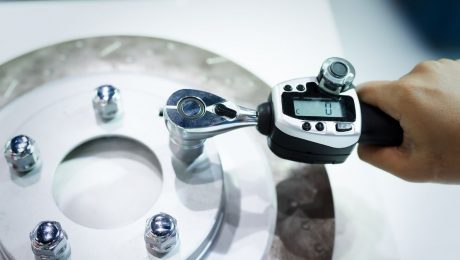
Digital torque wrenches are indispensable in many industries—automotive, aerospace, manufacturing, and beyond—because they display real-time torque readings with excellent clarity and convenience. However, these precision tools rely on delicate internal sensors and electronics that can drift or degrade over time. The result? Inaccurate torque measurements, which can lead to safety hazards, product defects, or compliance violations. Below, we explore why digital torque wrenches need routine calibration, how often recalibrations should occur, and how this practice ensures optimal performance for your equipment.
Why Calibration Is Essential for Digital Torque Wrenches
- Maintaining Accuracy and Safety
- Precision Matters: Even minor sensor deviations can produce significant torque errors—too much force may strip threads or damage components, while too little leaves fasteners loose and prone to failure.
- Avoiding Liability: In regulated sectors like aerospace or medical device assembly, off-spec torque readings can compromise product integrity and create liability risks.
- Ensuring Compliance
- Quality Standards: Many industries (e.g., ISO, AS9100) mandate traceable calibration to guarantee consistent tool accuracy.
- Legal or Contractual Requirements: Some contracts or local regulations specify calibration intervals for torque wrenches. Ignoring these can invite fines or disputes.
- Extending Tool Lifespan
- Wear and Tear Checks: Calibration labs often spot early signs of mechanical or electronic wear, preventing major failures or more expensive repairs later.
- Preserving Manufacturer Warranty: Reputable brands often require documented, regular calibration to maintain warranty coverage.
Recommended Calibration Frequency
- Annual or Semi-Annual for Moderate Use
- Standard Practice: Many professional workshops send digital torque wrenches for recalibration every 6–12 months, balancing cost with reliability.
- Monitored Usage: If your tool sees light tasks or is used infrequently, an annual schedule may suffice.
- Quarterly or Monthly for High-Risk Environments
- Intensive Settings: Assembly lines that rely on high-frequency torque checks—especially in mission-critical tasks—may opt for quarterly or even monthly calibrations.
- Reporting Errors: If you detect unexpected results (e.g., a jump in production defects), a prompt recalibration ensures safety and mitigates downtime.
- Post-Repair or Impact
- After Accidents: Dropping the wrench or performing major repairs can compromise the sensor alignment—recalibration verifies it’s returning accurate values.
- Recordkeeping: Keeping a log of usage cycles, repairs, and calibrations helps determine the best intervals for each tool.
Benefits of Keeping Digital Torque Wrenches Calibrated
- Consistent Measurement Accuracy
- Quality Assurance: Tightening bolts to the correct spec fosters consistent product quality, reducing rework and warranty claims.
- Operator Confidence: Workers can rely on tool readouts, speeding up production without second-guessing torque levels.
- Prolonged Tool Life
- Early Issue Detection: Calibration labs often notice electronic or mechanical drift early, letting you fix small faults before they escalate into permanent damage.
- Less Unplanned Downtime: A tool that’s regularly serviced is less likely to fail in the middle of a crucial job.
- Financial Savings and Efficiency
- Lower Scrap Rates: Fewer flawed assemblies or stripped fasteners keep material costs down.
- Reduced Liability: Avoiding torque-related failures in safety-critical applications can save on potential legal and reputational damages.
- Regulatory and Contractual Compliance
- Audit-Ready Records: Routine calibration logs offer transparency for inspections or audits, essential in many high-spec manufacturing environments.
- Maintain Accreditation: Sectors with strict protocols (e.g., aerospace, nuclear) consider regular torque wrench calibration non-negotiable.
So, do digital torque wrenches need to be calibrated? Absolutely—routine calibration is vital to keep these advanced, sensor-based tools measuring torque accurately and consistently. By scheduling periodic checks (e.g., every 6–12 months, or more frequently in high-usage settings), you protect both product integrity and workplace safety. Calibration also ensures legal compliance, extends the life of the wrench, and preserves warranties—making it a wise, cost-effective practice for any operation that depends on precise torque control.
- Published in Calibration, Torque Tools
How Often Should You Calibrate Electrical Equipment? Best Practices for Accuracy

Electrical equipment—from multimeters and oscilloscopes to power supplies and circuit testers—plays a crucial role in modern industries. However, regular calibration is essential to maintain accuracy, ensure safety, and comply with industry regulations. How often should electrical equipment be calibrated? The frequency can vary depending on factors like equipment usage, environmental conditions, and manufacturer recommendations. In this guide, we’ll explore typical calibration intervals, discuss the variables affecting those schedules, and highlight the benefits of consistent calibration.
Standard Calibration Intervals for Electrical Equipment
There’s no universal rule that applies to all electrical devices. However, the following intervals offer general guidelines:
- Annual Calibration (Every 12 Months)
- A common practice for many general-purpose devices such as multimeters, clamp meters, and power meters.
- An annual cycle ensures these instruments remain within specified tolerances over the year.
- Semi-Annual or Quarterly Calibration
- High-precision lab equipment or devices used in critical processes (like medical or aerospace applications) may need calibration more often—every 6 months or even every 3 months.
- Some industries mandate stricter calibration intervals to meet strict quality assurance standards.
- Calibration Before Critical Operations
- In certain high-stakes environments—like calibration labs themselves or military test sites—equipment might be verified immediately before key procedures.
- This practice ensures absolute accuracy at the point of use, minimising risks of drifting or misreadings.
These intervals serve as starting points—ultimately, you might adjust them based on operational demands, risk assessments, and usage intensity.
Factors Affecting Calibration Frequency
1. Equipment Usage and Workload
- High Workload: Instruments that are in constant use or exposed to heavy loads may drift from their calibrated settings faster.
- Standby or Infrequent Use: Even idle equipment can drift due to factors like aging electronics or environmental changes.
2. Environmental Conditions
- Temperature and Humidity: Extreme or fluctuating conditions can accelerate calibration drift. Devices in dusty or humid environments may also degrade more quickly.
- Vibration and Shock: Industrial areas with heavy machinery or frequent transport can affect internal components, prompting more frequent checks.
3. Industry and Regulatory Standards
- ISO/IEC Requirements: Labs seeking ISO/IEC 17025 accreditation must follow specific guidelines for calibration intervals.
- OEM Recommendations: Manufacturers often outline calibration schedules in device manuals. Overriding these without justification could risk performance or warranty conditions.
4. Historical Performance
- Track Record: If past calibration records show consistent accuracy, you might extend intervals slightly. On the flip side, frequent deviations suggest the need for tighter schedules.
- Preventive vs. Reactive: A proactive approach (based on historical data) can prevent sudden failures or costly rework due to uncalibrated instruments.
Benefits of Regular Calibration for Electrical Equipment
- Consistent Measurement Accuracy
- Regular calibration ensures devices provide reliable readings, vital for quality control and operational safety.
- Minimises discrepancies that could lead to product defects, rework, or inaccurate data logging.
- Safety and Compliance
- Electrical instrumentation used in high-risk environments (like power plants or medical facilities) must operate within strict tolerances to prevent malfunctions or accidents.
- Meeting mandatory calibration intervals protects your business from legal repercussions or fines.
- Extended Equipment Lifespan
- Routine calibration often includes inspections that detect early signs of wear or damage. Addressing these issues promptly extends the device’s usable life.
- Customer Confidence and Reputation
- If your business relies on precise measurements—like electronics manufacturers or test labs—showing calibration certificates builds client trust and enhances credibility.
- Accurate readings also keep customers happy by ensuring consistent product quality.
So, how often should electrical equipment be calibrated? While an annual interval is a common benchmark, a shorter cycle—such as semi-annually or quarterly—may be necessary for critical or high-usage instruments. Ultimately, calibration schedules should reflect:
- Device usage and operational demands
- Environmental conditions
- Industry or regulatory requirements
- Historical calibration data and performance trends
By balancing these factors and adopting proactive calibration practices, businesses can achieve consistent accuracy, safety compliance, and long-term cost savings. Regular calibration isn’t just an administrative task—it’s a strategic investment that underpins the reliability and quality of your electrical operations.
- Published in Calibration
- 1
- 2