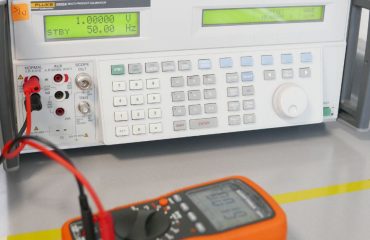
Portable Appliance Testing (PAT) testers are essential tools used to assess the electrical safety of appliances in commercial, industrial, and office settings. Whether you’re an electrician, safety officer, or responsible for workplace compliance, a PAT tester helps ensure that appliances are safe to use. But one question often arises: do PAT testers need calibration? The short answer is yes—regular calibration is essential to maintain accuracy, comply with regulations, and uphold safety standards.
Why Calibration is Necessary for PAT Testers
Over time, all measurement instruments, including PAT testers, can drift from their original factory-set accuracy. This drift can be caused by frequent use, exposure to varying environmental conditions, or internal component wear. Even small inaccuracies can result in unsafe equipment being passed as compliant—or safe appliances being failed unnecessarily.
By calibrating a PAT tester regularly, you ensure:
- The readings it provides are precise and trustworthy.
- Test results comply with relevant safety standards and legal obligations.
- You maintain your professional reputation and avoid costly liabilities.
Workplace Health and Safety (WHS) regulations in Australia don’t mandate calibration frequency, but they do require that equipment be properly maintained and accurate. That means if you’re relying on a PAT tester to confirm an appliance is safe, it must be working correctly—and that’s only possible with regular calibration.
How Often PAT Testers Should Be Calibrated
The general recommendation for PAT tester calibration is once every 12 months. However, this may vary depending on several factors:
- Frequency of Use: Daily use in high-demand environments may require shorter calibration intervals.
- Industry Requirements: Some sectors (e.g., mining, healthcare, or industrial manufacturing) may require more frequent calibration to meet internal QA/QC standards.
- Manufacturer Guidelines: Most manufacturers recommend an annual calibration schedule, which also keeps warranties valid and equipment covered under service agreements.
Keeping a log of usage and calibration history can help determine if your tester needs checking earlier than expected.
Benefits of Regular Calibration for PAT Testers
Routine calibration of PAT testers brings multiple benefits for individuals and businesses that rely on accurate test results:
- Reliable Safety Compliance: Ensures that electrical appliances are properly assessed against safety benchmarks.
- Reduced Legal and Insurance Risk: In the event of an incident, accurate testing data shows due diligence and helps avoid liability.
- Increased Equipment Lifespan: Regular checks can identify early signs of internal wear or failure before major faults occur.
- Client and Stakeholder Trust: Demonstrates professionalism and adherence to high standards in electrical safety testing.
- Optimised Testing Efficiency: Well-calibrated equipment delivers quicker, more accurate results, minimising retesting and downtime.
How to Get a PAT Tester Calibrated
To ensure your PAT tester is properly calibrated, always send it to an accredited calibration lab—ideally one that specialises in electrical testing and complies with Australian standards such as ISO/IEC 17025. A professional calibration will:
- Verify the tester against traceable standards.
- Adjust settings if necessary to restore accuracy.
- Provide a certificate as proof of compliance for audit and insurance purposes.
In many cases, calibration providers can also offer reminders for your next scheduled service and help manage your equipment schedule.
Regular Calibration for Long-Term Safety
If you’re using a PAT tester in a professional or regulatory capacity, ensuring its accuracy is not optional—it’s essential. Regular calibration not only helps you meet safety standards and maintain compliance but also protects your business and end users from potential harm.
To stay compliant and confident in your PAT testing results, make sure your testers are calibrated annually or as required by your specific working conditions.
For professional pat calibration services across Australia, contact XCalibration to schedule a check-up and keep your safety testing equipment in peak condition.