- How often do you need to calibrate a torque wrench?
As a general rule, calibrate every 12 months or 5,000 cycles (whichever comes first). For high-use or safety-critical work, shorten the interval to 3–6 months or set a usage-based schedule. We follow ISO 6789:2017-2 and provide traceable certificates.
Why PAT Testers Require Calibration for Accurate Testing
Tuesday, 08 April 2025
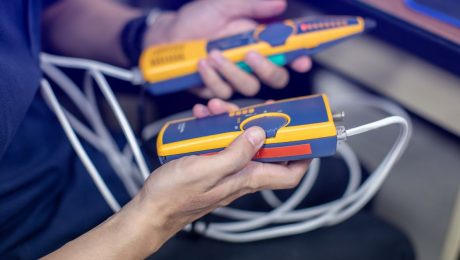
Portable Appliance Testing (PAT) testers are essential tools used to assess the electrical safety of appliances in commercial, industrial, and office settings. Whether you’re an electrician, safety officer, or responsible for workplace compliance, a PAT tester helps ensure that appliances are safe to use. But one question often arises: do PAT testers need calibration? The short answer is yes—regular calibration is essential to maintain accuracy, comply with regulations, and uphold safety standards.
Why Calibration is Necessary for PAT Testers
Over time, all measurement instruments, including PAT testers, can drift from their original factory-set accuracy. This drift can be caused by frequent use, exposure to varying environmental conditions, or internal component wear. Even small inaccuracies can result in unsafe equipment being passed as compliant—or safe appliances being failed unnecessarily.
By calibrating a PAT tester regularly, you ensure:
- The readings it provides are precise and trustworthy.
- Test results comply with relevant safety standards and legal obligations.
- You maintain your professional reputation and avoid costly liabilities.
Workplace Health and Safety (WHS) regulations in Australia don’t mandate calibration frequency, but they do require that equipment be properly maintained and accurate. That means if you’re relying on a PAT tester to confirm an appliance is safe, it must be working correctly—and that’s only possible with regular calibration.
How Often PAT Testers Should Be Calibrated
The general recommendation for PAT tester calibration is once every 12 months. However, this may vary depending on several factors:
- Frequency of Use: Daily use in high-demand environments may require shorter calibration intervals.
- Industry Requirements: Some sectors (e.g., mining, healthcare, or industrial manufacturing) may require more frequent calibration to meet internal QA/QC standards.
- Manufacturer Guidelines: Most manufacturers recommend an annual calibration schedule, which also keeps warranties valid and equipment covered under service agreements.
Keeping a log of usage and calibration history can help determine if your tester needs checking earlier than expected.
Benefits of Regular Calibration for PAT Testers
Routine calibration of PAT testers brings multiple benefits for individuals and businesses that rely on accurate test results:
- Reliable Safety Compliance: Ensures that electrical appliances are properly assessed against safety benchmarks.
- Reduced Legal and Insurance Risk: In the event of an incident, accurate testing data shows due diligence and helps avoid liability.
- Increased Equipment Lifespan: Regular checks can identify early signs of internal wear or failure before major faults occur.
- Client and Stakeholder Trust: Demonstrates professionalism and adherence to high standards in electrical safety testing.
- Optimised Testing Efficiency: Well-calibrated equipment delivers quicker, more accurate results, minimising retesting and downtime.
How to Get a PAT Tester Calibrated
To ensure your PAT tester is properly calibrated, always send it to an accredited calibration lab—ideally one that specialises in electrical testing and complies with Australian standards such as ISO/IEC 17025. A professional calibration will:
- Verify the tester against traceable standards.
- Adjust settings if necessary to restore accuracy.
- Provide a certificate as proof of compliance for audit and insurance purposes.
In many cases, calibration providers can also offer reminders for your next scheduled service and help manage your equipment schedule.
Regular Calibration for Long-Term Safety
If you’re using a PAT tester in a professional or regulatory capacity, ensuring its accuracy is not optional—it’s essential. Regular calibration not only helps you meet safety standards and maintain compliance but also protects your business and end users from potential harm.
To stay compliant and confident in your PAT testing results, make sure your testers are calibrated annually or as required by your specific working conditions.
For professional pat calibration services across Australia, contact XCalibration to schedule a check-up and keep your safety testing equipment in peak condition.
- Published in Calibration, Torque Tools
No Comments
How Long Does Torque Wrench Calibration Last? Best Practices for Reliability
Tuesday, 08 April 2025
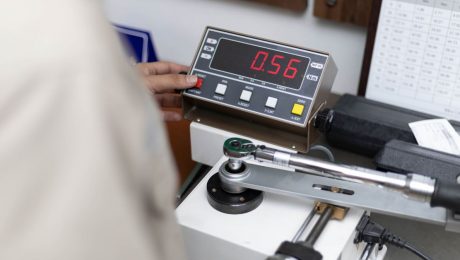
Torque wrenches—especially those used in industrial, aerospace, or automotive settings—rely on precise internal components to apply accurate force to bolts and fasteners. Over time, wear, environmental changes, and regular use can cause drift in these measurements. Understanding how long a calibration remains valid, and when to recalibrate, is crucial for both safety and compliance. Below, we explore typical calibration lifespans, what influences them, and how you can spot signs that recalibration is needed sooner.
Typical Calibration Lifespan for Torque Wrenches
- Annual Calibration
- Common Practice: Many organisations schedule torque wrench calibration every 12 months, striking a balance between cost and reliability. This cycle suits wrenches used moderately, such as in smaller repair shops or medium-volume manufacturing lines.
- Biannual or Quarterly for Intensive Use
- High-Demand Environments: Assembly lines or automotive racing teams frequently using torque wrenches at or near capacity may need biannual (every 6 months) or even quarterly calibrations.
- Traceable Records: Situations with high liability or strict quality standards (aerospace, medical devices) often use closer intervals to ensure absolute consistency.
- Usage-Based Intervals
- Cycle Counting: Some companies track how often the wrench is used—e.g., 5,000 fastener cycles—then send it in for calibration. This approach ensures recalibration is matched to actual wear and tear rather than a fixed timeline.
While the 12-month rule is widespread, the ideal interval truly depends on usage intensity, environment, and company quality requirements. Balancing these factors ensures your tool remains accurate without overpaying for unnecessary calibrations.
Factors Affecting Calibration Duration
- Frequency of Use
- Daily vs. Occasional: A wrench used daily on a busy production floor experiences more stress than one used sporadically. Frequent usage leads to faster internal component wear and potential calibration drift.
- Storage and Handling
- Protective Cases: Keeping torque wrenches in a sturdy, foam-lined case shields them from knocks or drops that might misalign or damage sensors.
- Temperature and Humidity: Extreme heat or cold can alter metallic parts or internal strain gauges. Likewise, high moisture may corrode or degrade internal mechanisms.
- Application Load
- Working at Upper Capacity: Continuously applying torque near the wrench’s maximum rating can speed up calibration drift.
- Shock Loads: Sudden, excessive force—like a slip or abrupt contact—can unsettle internal components, pushing them out of tolerance.
- Tool Quality
- Brand Reputation: Premium torque wrenches often maintain calibration longer due to superior materials and build quality.
- Maintenance: Regular lubrication (if the manufacturer recommends it), gentle cleaning, and not using the tool for tasks beyond its design help preserve accuracy.
Signs That Calibration May Be Required Sooner
- Inconsistent or Erratic Readings
- If the same torque setting yields different results on identical fasteners, suspect calibration drift. A simple cross-check with a reference gauge or second tool helps confirm.
- Difficulty Engaging “Click” (Mechanical Wrenches)
- If you notice the “click” mechanism is off, engaging too early or too late, the internal spring or other components may need recalibration or replacement.
- Physical Damage
- Dropping the wrench from height or noticing bent handles, rust, or cracks is a red flag. Even a minor fall can knock sensitive parts out of alignment.
- Production or Quality Deviations
- A spike in rejections, part failures, or assembly line errors might point to torque inaccuracies. If these deviations correlate with wrench usage, immediate recalibration is wise.
- Overdue Maintenance
- If you can’t recall the last calibration date and your records are incomplete, the best approach is to schedule a check rather than waiting for errors to appear.
Best Practices to Extend Calibration Lifespan
- Adhere to Manufacturer Guidelines
- Many producers advise storing wrenches at their lowest torque setting to relieve internal springs.
- Avoid using the tool as a breaker bar or hammer—misuse speeds up wear.
- Implement a Calibration Log
- Track usage (cycles or hours), calibration dates, and any observed deviations. This data helps refine intervals over time.
- Handle Tools with Care
- Avoid Dropping: Even minor shocks can cause intangible internal shifts.
- Clean Gently: Wipe away dust, chemicals, or debris after use—especially if the tool is used in a dirty or corrosive environment.
- Use Tolerance Checks in Between Calibrations
- Periodic Spot Tests: If your facility has a test rig or master torque device, run quick checks monthly or weekly to confirm the wrench is within range.
So, how long is a torque wrench calibration good for? Typically, you’ll see 6–12 months as a standard guideline, though high-use or critical applications might calibrate more frequently. Ultimately, the perfect interval hinges on usage patterns, the environment, and how carefully the tool is stored and handled. Over time, an evidence-based approach—tracking each wrench’s calibration history, usage, and any issues—reveals the most cost-effective schedule. Following these best practices ensures your torque wrenches remain safe, accurate, and efficient, preventing costly quality mishaps and compliance headaches.
- Published in Calibration, Torque Tools
Ensuring Accuracy: Why Multimeters Need Regular Calibration
Tuesday, 08 April 2025
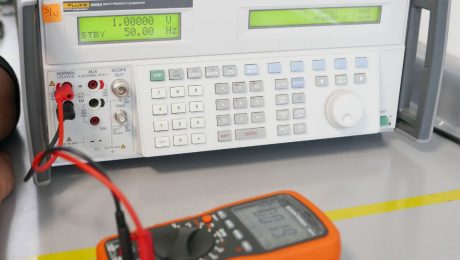
Why Multimeter Calibration Is Essential
Calibration is the process of verifying and adjusting an instrument’s accuracy by comparing it to a known standard. For multimeters, even a small deviation can result in incorrect readings, which can lead to misdiagnosed faults, safety risks, or compliance failures.- Maintain Measurement Precision: Even high-quality digital multimeters experience slight changes in performance over time due to internal component aging or environmental factors.
- Compliance with Industry Standards: Many industries require multimeters to be calibrated periodically to meet standards like ISO/IEC 17025, especially where measurements are tied to quality assurance or regulatory compliance.
- Safety and Reliability: A misreading from an uncalibrated multimeter could lead to dangerous mistakes, such as underestimating live voltage levels or incorrectly diagnosing faulty equipment.
- Audit and Traceability: For businesses, having calibrated instruments provides traceable measurement data that’s vital during audits or inspections.
Recommended Calibration Frequency for Multimeters
There is no one-size-fits-all schedule, but general guidelines apply based on usage and industry requirements:- Annually: This is the most common recommendation for standard usage across industrial or commercial settings.
- More Frequently for High-Use Environments: In sectors such as mining, power generation, or manufacturing where multimeters are used daily or under harsh conditions, calibration may be required every 6 months.
- After Repairs or Extreme Events: Any time a multimeter is dropped, exposed to high voltage, or repaired, it should be recalibrated before further use.
Signs Your Multimeter May Need Calibration
Even with regular calibration schedules, there are signs users should watch for that suggest a multimeter is no longer operating accurately:- Fluctuating Readings: Inconsistent results when measuring the same circuit may signal internal component drift.
- Out-of-Spec Measurements: If the readings don’t match known values (e.g. measuring a new battery), the meter may be out of calibration.
- Display Issues: Faded, blinking, or glitchy screens can indicate internal problems that may affect measurement integrity.
- Comparison With a Calibrated Device: If another recently calibrated multimeter shows a significantly different reading on the same test point, it’s time for calibration.
The Value of Professional Calibration Services
While some companies may have in-house calibration setups, most businesses benefit from outsourcing calibration to an accredited laboratory. XCalibration offers traceable, professional multimeter calibration services that comply with Australian standards and manufacturer specifications. Our technicians test every function, adjust as needed, and provide documentation for your compliance records. Regular calibration also extends the lifespan of your multimeter and supports proactive maintenance, reducing the likelihood of equipment failure. Multimeters absolutely need regular calibration to ensure the reliability of every reading they produce. Whether for safety, compliance, or quality control, staying on top of calibration schedules helps avoid costly mistakes and keeps operations running smoothly. If you’re unsure about your calibration needs, contact XCalibration to schedule your next multimeter calibration today.- Published in Calibration, Torque Tools
Why Digital Torque Wrenches Require Regular Calibration
Tuesday, 08 April 2025
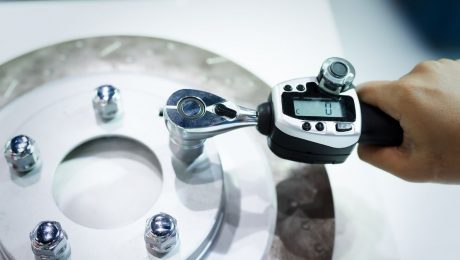
Why Calibration Is Essential for Digital Torque Wrenches
- Maintaining Accuracy and Safety
- Precision Matters: Even minor sensor deviations can produce significant torque errors—too much force may strip threads or damage components, while too little leaves fasteners loose and prone to failure.
- Avoiding Liability: In regulated sectors like aerospace or medical device assembly, off-spec torque readings can compromise product integrity and create liability risks.
- Ensuring Compliance
- Quality Standards: Many industries (e.g., ISO, AS9100) mandate traceable calibration to guarantee consistent tool accuracy.
- Legal or Contractual Requirements: Some contracts or local regulations specify calibration intervals for torque wrenches. Ignoring these can invite fines or disputes.
- Extending Tool Lifespan
- Wear and Tear Checks: Calibration labs often spot early signs of mechanical or electronic wear, preventing major failures or more expensive repairs later.
- Preserving Manufacturer Warranty: Reputable brands often require documented, regular calibration to maintain warranty coverage.
Recommended Calibration Frequency
- Annual or Semi-Annual for Moderate Use
- Standard Practice: Many professional workshops send digital torque wrenches for recalibration every 6–12 months, balancing cost with reliability.
- Monitored Usage: If your tool sees light tasks or is used infrequently, an annual schedule may suffice.
- Quarterly or Monthly for High-Risk Environments
- Intensive Settings: Assembly lines that rely on high-frequency torque checks—especially in mission-critical tasks—may opt for quarterly or even monthly calibrations.
- Reporting Errors: If you detect unexpected results (e.g., a jump in production defects), a prompt recalibration ensures safety and mitigates downtime.
- Post-Repair or Impact
- After Accidents: Dropping the wrench or performing major repairs can compromise the sensor alignment—recalibration verifies it’s returning accurate values.
- Recordkeeping: Keeping a log of usage cycles, repairs, and calibrations helps determine the best intervals for each tool.
Benefits of Keeping Digital Torque Wrenches Calibrated
- Consistent Measurement Accuracy
- Quality Assurance: Tightening bolts to the correct spec fosters consistent product quality, reducing rework and warranty claims.
- Operator Confidence: Workers can rely on tool readouts, speeding up production without second-guessing torque levels.
- Prolonged Tool Life
- Early Issue Detection: Calibration labs often notice electronic or mechanical drift early, letting you fix small faults before they escalate into permanent damage.
- Less Unplanned Downtime: A tool that’s regularly serviced is less likely to fail in the middle of a crucial job.
- Financial Savings and Efficiency
- Lower Scrap Rates: Fewer flawed assemblies or stripped fasteners keep material costs down.
- Reduced Liability: Avoiding torque-related failures in safety-critical applications can save on potential legal and reputational damages.
- Regulatory and Contractual Compliance
- Audit-Ready Records: Routine calibration logs offer transparency for inspections or audits, essential in many high-spec manufacturing environments.
- Maintain Accreditation: Sectors with strict protocols (e.g., aerospace, nuclear) consider regular torque wrench calibration non-negotiable.
- Published in Calibration, Torque Tools
Why Pressure Gauges Need Regular Calibration for Accuracy
Tuesday, 11 March 2025
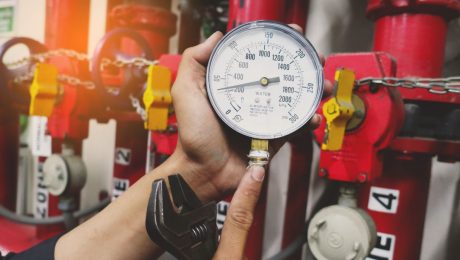
Why Pressure Gauge Calibration is Essential
Do pressure gauges need to be calibrated as part of routine maintenance? Yes. Calibration compares a gauge against a known standard and adjusts as needed to restore accuracy—vital for reliability, safety, compliance and process efficiency.- Maintaining Reliability
- Ensuring Safety
- Compliance with Standards and Regulations
- Optimising Operational Efficiency
Signs Your Pressure Gauge May Need Calibration
Still asking “do pressure gauges need to be calibrated” right now or can it wait? Watch for these signs that immediate calibration is due:- Drift in Readings
- Wear and Tear
- Exposure to Extreme Conditions
- After Maintenance or Repairs
- Regulatory Requirements
Benefits of Regular Calibration
Implementing a routine calibration schedule offers several significant benefits:- Enhanced Safety
- Compliance with Regulations
- Improved Measurement Accuracy
- Cost Savings
- Extended Equipment Life
- Data Integrity
- Published in Torque Tools
What Is a Nutrunner? Understanding This Essential Assembly Tool
Thursday, 16 January 2025
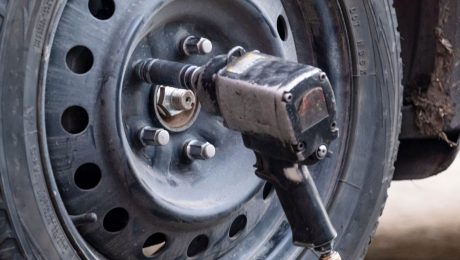
The Importance of Nutrunners in Manufacturing
If you’re asking “what is a nutrunner” in practical terms, think accuracy and repeatability. One loose or overtightened bolt can trigger failures, safety risks or recalls—nutrunners deliver the specified torque to avoid those outcomes. Nutrunners address these challenges by delivering a specific torque output, preventing under- or over-fastening. Used in automotive, aerospace, and general manufacturing, these tools are designed for high-volume environments where quality, speed, and reliability are non-negotiable. By enabling assembly technicians to maintain consistent torque, nutrunners help extend product lifespan, reduce warranty claims, and optimise production flow. Their precision also supports compliance with industry standards, making them a key asset in settings where uniformity and safety are paramount.Types of Nutrunners
Still wondering what is a nutrunner best suited for your line? Nutrunners come in pneumatic, electric and battery formats—each tailored to different torque ranges, control needs and portability requirements.1. Pneumatic Nutrunners
- Power Source: Compressed air
- Advantages: Lightweight, high power-to-weight ratio, suitable for fast-paced assembly lines where portability and speed matter.
- Typical Applications: Automotive assembly, general manufacturing, and repair shops where compressed air is readily available.
2. Electric Nutrunners
- Power Source: Electricity (corded or battery-powered)
- Advantages: Quieter operation, easy torque programming, and reduced energy consumption compared to air-powered systems.
- Typical Applications: Electronics assembly, aerospace, and any setting where precise torque control and data logging are essential.
3. Battery Nutrunners
- Power Source: 18 volt batteries
- Advantages: Extremely high torque output, ideal for large-scale or heavy-duty applications.
- Typical Applications: Heavy machinery assembly, construction equipment manufacturing, and offshore rigs.
How Nutrunners Work: The Torque Application Mechanism
Regardless of the type—pneumatic, electric, or battery—all nutrunners follow the same fundamental principle: applying torque to a fastener in a controlled manner. Here’s a simplified overview of their operation:- Torque Generation
- The tool’s motor (air, electric, or hydraulic) drives an internal mechanism that converts energy into rotational force.
- Gear Reduction
- A system of gears ensures the torque output matches the user-defined requirement, preventing overtightening.
- Clutch or Control System
- Nutrunners often include a clutch, a stall motor -or electronic control that disengages or signals once the desired torque is reached, ensuring consistent fastening.
- Data Feedback (In Advanced Models)
- Some electric & battery nutrunners offer real-time feedback, logging torque data for quality assurance and traceability.
Common Uses for Nutrunners
Nutrunners are essential in a variety of industrial sectors:- Automotive
- From engine assembly to chassis construction, precise torque control is crucial to prevent mechanical failures and ensure vehicle safety.
- Aerospace
- Aircraft components require rigorous standards for safety and performance. Nutrunners enable accurate fastening of critical parts like wings, fuselage panels, and engine components.
- Industrial Manufacturing
- Assembly lines for appliances, machinery, and consumer goods rely on nutrunners to maintain uniform torque across thousands of fasteners, minimising production defects.
- Maintenance and Repair
- Beyond initial assembly, nutrunners are also used in maintenance tasks—such as tightening flanges on pipelines or replacing large bolts on industrial equipment—to ensure they meet prescribed torque specifications.
- Published in Torque Tools
How Often Should You Calibrate Instruments?
Wednesday, 29 November 2023

Is There a Recommendation for How Often You Should Calibrate Your Instruments?
Yes, there is a general recommendation that your instruments or torque tools should be calibrated every three, six or 12 months. How often you require said servicing depends on a number of factors.Factors Influencing Calibration Schedules & Maintenance
There are a few factors that influence how often you should organise for recalibration, maintenance and servicing. Some of the most common include:Manufacturer Recommendation
How often the manufacturer recommends you have your tools or instrumentation calibrated and serviced will determine your maintenance schedule. This is because, as the manufacturer, they have done all the required research and testing to produce the product and know what you have to do to avoid risk of failure and uphold compliance standards.Compliance
There are usually certain rules and compliance procedures manufacturers and businesses need to follow if they want their work to be accurate. Adhering to any compliance recommendations over how often specific instruments should be calibrated is part of this.Consistency
Is your instrumentation or torque tool not as consistent as it once was? It might be time to schedule a recalibration and maintenance service.Environment
The environment in which you use your instruments and torque tools will help determine how often they need to be recalibrated. For instance, if they’re well maintained and looked after, you may need a six or 12 month schedule. But if they’re not in good condition, your risk of failure increases and you’ll need a three month schedule.How Often it’s Used
How often your instruments are used will also determine how often you need to organise recalibration and other maintenance. If your tools are used on a regular basis or every day, they may need servicing more often. The same may also be true of tools that are recalibrated and then left alone for two months before their next use.Do You Offer Calibration Maintenance Schedules?
As experts in calibration for torque tools and other instruments, we know that maintenance and service timetables can often fall to the wayside. That’s why our experienced staff members offer regular maintenance scheduling so you don’t have to worry about anything.How Xcalibration Can Help
Calibration is our business and we’ve been working with torque tools and other instruments for decades. From HV testing to onsite maintenance, servicing and more, we’ve got you covered. Our equipment and staff members are some of the best in the industry and are always one step ahead of the competition. If it’s time you had your tools or instrumentation calibrated – or simply want to know more about our service and maintenance schedules – get in touch with the Xcalibration experts today.- Published in Torque Tools
Why You Should Calibrate Torque Tools
Wednesday, 29 November 2023

What is Calibration?
If we’re going to talk about the importance of calibration for torque tools and other instruments, we should probably start with the basics. What is calibration? Calibration is a technical term used to ensure the readings your tool (be it a scale, nutrunner or something else) is giving you equates with a regular measuring device. Depending on the variance (i.e. the tolerance), any adjustments are made to ensure the tool is running consistently, accurately and in accordance with regulations or manufacturer’s recommendations.The Importance of Calibration
In manufacturing and other industries where precision is of high importance, calibration of your instruments cannot be ignored. A tool that has not been calibrated on a regular basis runs the risk of providing you with:Inaccurate Measurements
Let’s break this down and use a shipping scale as an example. If the scale is not calibrated properly, it cannot be trusted to read measurements accurately. In freight this can be a huge problem and cause issues that extend not only to the supplier and receiver of whatever goods you are measuring, but also transportation problems if the truck or plane is not equipped to handle the load you have inaccurately measured.Poor Quality Control
In an industry such as manufacturing, you may find that your company’s stringent quality control measures are being breached due to an improperly calibrated instrument. Consider the time, money and effort wasted if the products you are producing do not meet your high standard of practice. Even one mistake could harm your business’ reputation and cause you to lose customers, which is something no one wants.Safety Risks
Depending on what you create, you may be putting yourself, your staff and your customers at risk if you expect them to use improperly calibrated equipment. For instance, if you have a rule that workers aren’t supposed to lift anything heavier than 5kg – and the instrument incorrectly reads your load as 4.5kg so your staff member lifts it and injures themselves – you may be at fault because you’ve facilitated an unsafe work environment. So too if you’ve provided a part in manufacturing or construction that an instrument has measured as a certain dimension, and it’s applied to something like a bridge or scaffold. If that part doesn’t actually meet the dimensions you’ve been given, and it causes an issue with the scaffolding or bridge, you’ve inadvertently put a lot of people in danger.Deadline Blowout = Wasted Time & Money
Are you supplying a company working on a time sensitive project? If so, and you’ve provided them with a product that has been manufactured with incorrectly calibrated instruments, think of all the time and money you and your client has wasted having to return the product, and have it manufactured or installed again. That can really harm your business if your processes are suddenly inefficient and it results in your clients going elsewhere (or even telling others not to use your services due to poor results).How Xcalibration Can Help
Calibration is our business and we’ve been working with torque tools and other instruments for decades. From HV testing to onsite maintenance, servicing and more, we’ve got you covered. Our equipment and staff members are some of the best in the industry and are always one step ahead of the competition. Talk to us today about your calibration needs by getting in touch with the experienced Xcalibration team.- Published in Torque Tools