- How often do you need to calibrate a torque wrench?
As a general rule, calibrate every 12 months or 5,000 cycles (whichever comes first). For high-use or safety-critical work, shorten the interval to 3–6 months or set a usage-based schedule. We follow ISO 6789:2017-2 and provide traceable certificates.
Common Gauge Errors and How Calibration Prevents Bad Readings and Failed Tests
Thursday, 26 February 2026
During a pressure test on a steam line, a gauge may show a safe reading while the system quietly operates closer to its limit than expected. The job is signed off, production continues, and later a relief valve lifts or a component fails. The cause often traces back to a gauge that had drifted out of tolerance. Regular pressure gauge calibration would have revealed the problem early.
This issue happens across manufacturing plants, construction sites, switchrooms and workshops. Gauges often look fine on the panel, even when the numbers no longer reflect reality. All gauges drift with time due to wear and changing conditions. Planned calibration is the only reliable way to detect this drift and keep readings accurate.
Why Gauges Drift Over Time
Drift is a normal outcome of repeated use. Mechanical pressure gauges rely on Bourdon tubes that flex with each cycle. Over time, this changes their shape. Internal components wear, causing the pointer to move less accurately.
Environmental exposure speeds up this wear. Temperature swings, humidity and vibration all affect internal parts. Gauges near engines, boilers or in outdoor conditions are under more stress. Even electronic sensors shift with time and thermal cycling.
Poor installation and misuse also contribute. If gauges are over-tightened, mounted without support or used near their maximum rating, they wear faster. These faults often go unnoticed during daily operation. That is why planned calibration is critical.
Common Error Patterns in Pressure Gauges
When a gauge drifts, the error rarely shows as one simple number. Patterns often reveal the cause. Zero error shifts all readings up or down. Span error shows accurate low readings but incorrect high ones. Linearity error appears when the middle of the range is wrong even if the ends are fine.
Hysteresis error causes different readings depending on whether pressure is rising or falling. Repeatability error is when repeated pressure gives inconsistent results. These faults may occur together, making the gauge unpredictable.
Visual checks cannot detect these errors. Professional calibration maps out the behaviour across the full range and determines if the gauge needs adjustment or replacement.
How Calibration Detects and Corrects Errors
Proper calibration uses reference standards that are far more accurate than the gauge. Pressure is applied at fixed points across the range. Readings are taken as pressure rises and falls, which reveals any irregularities.
The initial results are logged as found data. If the gauge is outside tolerance, adjustments are made. This can involve resetting zero, adjusting span or tuning internal parts. It is then tested again to produce as left data, showing that accuracy has been restored.
A calibration certificate confirms the results, with traceability to national standards. These records help during audits, prove due diligence and support quality control. Xcalibration offers this service both in-lab and onsite using mobile units, reducing downtime and allowing equipment to be tested where it operates.
What Happens Without Calibration
It is tempting to skip calibration when everything seems fine. But small errors build up. Safety margins shrink, and gauges may miss rising pressure until it is too late. Systems relying on these readings can fail without warning.
Product quality suffers when pressure-controlled processes drift. Failures can cause rework, delays and rejected batches. Energy costs rise as equipment runs under the wrong settings. Undetected leaks and faults lead to costly repairs.
These problems usually cost far more than the price of calibration. A failed test or shutdown caused by a faulty reading may damage both the operation and reputation. Regular calibration avoids these risks.
Why Planned Calibration Is a Business Advantage
Routine pressure gauge calibration protects safety, supports quality control and keeps inspections clean. Reliable gauges help technicians work faster and with more confidence. Accurate readings improve energy use and prevent avoidable damage.
Xcalibration helps Australian sites manage this process with traceable calibration both onsite and in-lab. Mobile vehicles offer fast, reliable service in controlled environments, reducing tool downtime and improving operational efficiency.
Instead of reacting to failure, businesses that treat calibration as planned maintenance stay ahead. They avoid fines, delays and safety risks while building trust with clients and regulators. With trained technicians and certified systems, accurate pressure readings become a strength rather than a weakness.
- Published in Calibration
No Comments
Torque Multiplier Calibration – When It’s Required
Thursday, 26 February 2026
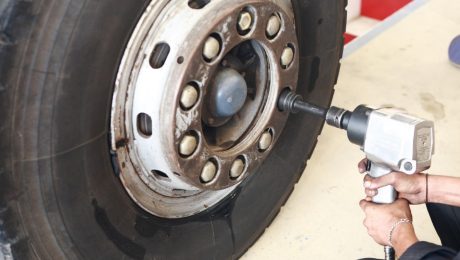
Torque multipliers play a crucial role in safety critical bolting. They take input from a torque wrench and deliver much higher output so heavy bolts on presses, cranes or trucks reach the required torque. When calibration slips, the output can drift from the target even though the tool feels normal. That is where real risk begins.
A multiplier that is even slightly out of specification can leave fasteners too loose or too tight without obvious signs. Poor torque control can crack flanges, damage gearboxes, cause leaks or halt production while teams find the source of failure. In many industries, these problems lead to missed deadlines, safety issues and added cost. A single uncalibrated tool can disrupt the entire bolting process and complicate audits and inspection records. Regular torque multiplier calibration, along with torque tool calibration for the full system, keeps operations within safe limits.
What Torque Multiplier Calibration Involves
A torque multiplier is a geared device that takes a low input torque and multiplies it through internal gears. Calibration checks that output against reference equipment linked to certified torque standards. This confirms that when the input wrench is set, the bolt receives the torque required.
Each multiplier has a marked gear ratio, such as five to one. That describes the gear train but not the true output. Friction inside the gearbox and bearings means the actual ratio may be lower, and it changes as parts wear. Accurate torque multiplier calibration ensures that any loss from wear is identified and corrected.
Undertorque can cause leaks or joint movement. Overtorque can crush gaskets or damage threads. Formal calibration with traceability to NATA or ISO standards ensures torque tools behave as intended and removes the guesswork from high-stakes work.
When Torque Multiplier Calibration Is Needed
Standards recommend torque tools be calibrated at least every twelve months or five thousand cycles, whichever comes first. Many apply this rule to multipliers as well. However, this is a base guideline. A tool exposed to frequent use, vibration or harsh conditions often needs more frequent checks.
Overloads beyond twenty five percent of the maximum, physical damage, or a sudden change in how the tool feels are clear triggers to send it for calibration. Storage, transport and improper use also shorten calibration intervals. Adjustable torque wrenches used with multipliers should not be wound below their scale minimum, as this affects accuracy.
Skipping these checks allows small errors to spread across every joint the tool touches. With safety, compliance and inspection standards tightening, keeping torque multiplier calibration on schedule is a basic requirement, not a luxury.
What Affects Torque Multiplier Accuracy
Many issues influence torque multiplier accuracy. Internal wear builds in the gearbox and bearings. This affects how much input torque reaches the fastener. As friction increases, the output torque drifts from what the label suggests.
The way the multiplier reacts against the job also matters. Different reaction arms or mounting angles can affect the load path. This changes the actual torque delivered. A calibration certificate should note which configuration was used during testing so teams can match it in the field.
System accuracy is more than just the gearbox. Pneumatic or hydraulic multipliers depend on the hoses, pumps and gauges that drive them. Any issue in those components affects torque output. Calibrating these tools with their actual equipment ensures accuracy reflects real use.
Environmental factors matter too. Heat, moisture and rough handling all impact how torque is transmitted. Professional calibration tests tools under realistic conditions, helping maintain reliable torque delivery in the field.
Risks Of Skipping Calibration
An uncalibrated multiplier gives no warning. It can feel normal but deliver too much or too little torque. This silent drift can lead to repeated errors, which may cause joint failures or structural issues.
Undertorque risks include loose fasteners, leaks or cracking under load. Overtorque can strip threads, deform parts or cause early failure. Either way, the cost is significant. Issues range from mechanical breakdowns to safety incidents, rejected work and reputational damage.
One faulty tool can stop production or delay a critical shutdown. Failed audits, non-compliance and disputes with clients or insurers add further cost. Regular torque multiplier calibration prevents these problems by confirming that tools perform within safe limits.
Why Professional Calibration Matters
Professional calibration offers benefits that in-house checks cannot match. Certified providers use reference equipment with traceability to national and international standards. The resulting certificate confirms the tool meets accepted tolerances. This supports audits, contracts and internal quality systems.
Technicians also identify signs of wear early. Gear damage or failing parts can be replaced before the tool breaks. This extends tool life and prevents emergency repairs or callouts. Regular servicing keeps fewer spares on hand and reduces downtime.
The result is confidence in your tools, better job planning and cleaner compliance records. Teams work faster when they trust the readings. Calibrated tools give predictable performance, reduce rework and support safe, efficient bolting.
Planning torque multiplier calibration reduces the risk of errors that damage equipment or compromise safety. It protects both productivity and reputation in high-value environments.
- Published in Calibration
How Long Does Torque Wrench Calibration Last? Best Practices for Reliability
Tuesday, 08 April 2025
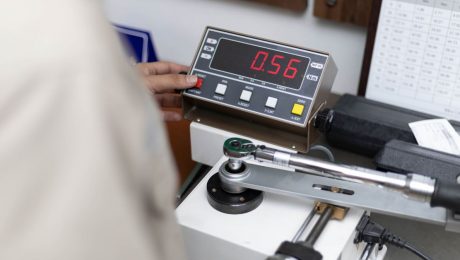
Torque wrenches—especially those used in industrial, aerospace, or automotive settings—rely on precise internal components to apply accurate force to bolts and fasteners. Over time, wear, environmental changes, and regular use can cause drift in these measurements. Understanding how long a calibration remains valid, and when to recalibrate, is crucial for both safety and compliance. Below, we explore typical calibration lifespans, what influences them, and how you can spot signs that recalibration is needed sooner.
Typical Calibration Lifespan for Torque Wrenches
- Annual Calibration
- Common Practice: Many organisations schedule torque wrench calibration every 12 months, striking a balance between cost and reliability. This cycle suits wrenches used moderately, such as in smaller repair shops or medium-volume manufacturing lines.
- Biannual or Quarterly for Intensive Use
- High-Demand Environments: Assembly lines or automotive racing teams frequently using torque wrenches at or near capacity may need biannual (every 6 months) or even quarterly calibrations.
- Traceable Records: Situations with high liability or strict quality standards (aerospace, medical devices) often use closer intervals to ensure absolute consistency.
- Usage-Based Intervals
- Cycle Counting: Some companies track how often the wrench is used—e.g., 5,000 fastener cycles—then send it in for calibration. This approach ensures recalibration is matched to actual wear and tear rather than a fixed timeline.
While the 12-month rule is widespread, the ideal interval truly depends on usage intensity, environment, and company quality requirements. Balancing these factors ensures your tool remains accurate without overpaying for unnecessary calibrations.
Factors Affecting Calibration Duration
- Frequency of Use
- Daily vs. Occasional: A wrench used daily on a busy production floor experiences more stress than one used sporadically. Frequent usage leads to faster internal component wear and potential calibration drift.
- Storage and Handling
- Protective Cases: Keeping torque wrenches in a sturdy, foam-lined case shields them from knocks or drops that might misalign or damage sensors.
- Temperature and Humidity: Extreme heat or cold can alter metallic parts or internal strain gauges. Likewise, high moisture may corrode or degrade internal mechanisms.
- Application Load
- Working at Upper Capacity: Continuously applying torque near the wrench’s maximum rating can speed up calibration drift.
- Shock Loads: Sudden, excessive force—like a slip or abrupt contact—can unsettle internal components, pushing them out of tolerance.
- Tool Quality
- Brand Reputation: Premium torque wrenches often maintain calibration longer due to superior materials and build quality.
- Maintenance: Regular lubrication (if the manufacturer recommends it), gentle cleaning, and not using the tool for tasks beyond its design help preserve accuracy.
Signs That Calibration May Be Required Sooner
- Inconsistent or Erratic Readings
- If the same torque setting yields different results on identical fasteners, suspect calibration drift. A simple cross-check with a reference gauge or second tool helps confirm.
- Difficulty Engaging “Click” (Mechanical Wrenches)
- If you notice the “click” mechanism is off, engaging too early or too late, the internal spring or other components may need recalibration or replacement.
- Physical Damage
- Dropping the wrench from height or noticing bent handles, rust, or cracks is a red flag. Even a minor fall can knock sensitive parts out of alignment.
- Production or Quality Deviations
- A spike in rejections, part failures, or assembly line errors might point to torque inaccuracies. If these deviations correlate with wrench usage, immediate recalibration is wise.
- Overdue Maintenance
- If you can’t recall the last calibration date and your records are incomplete, the best approach is to schedule a check rather than waiting for errors to appear.
Best Practices to Extend Calibration Lifespan
- Adhere to Manufacturer Guidelines
- Many producers advise storing wrenches at their lowest torque setting to relieve internal springs.
- Avoid using the tool as a breaker bar or hammer—misuse speeds up wear.
- Implement a Calibration Log
- Track usage (cycles or hours), calibration dates, and any observed deviations. This data helps refine intervals over time.
- Handle Tools with Care
- Avoid Dropping: Even minor shocks can cause intangible internal shifts.
- Clean Gently: Wipe away dust, chemicals, or debris after use—especially if the tool is used in a dirty or corrosive environment.
- Use Tolerance Checks in Between Calibrations
- Periodic Spot Tests: If your facility has a test rig or master torque device, run quick checks monthly or weekly to confirm the wrench is within range.
So, how long is a torque wrench calibration good for? Typically, you’ll see 6–12 months as a standard guideline, though high-use or critical applications might calibrate more frequently. Ultimately, the perfect interval hinges on usage patterns, the environment, and how carefully the tool is stored and handled. Over time, an evidence-based approach—tracking each wrench’s calibration history, usage, and any issues—reveals the most cost-effective schedule. Following these best practices ensures your torque wrenches remain safe, accurate, and efficient, preventing costly quality mishaps and compliance headaches.
- Published in Calibration, Torque Tools
Ensuring Accuracy: Why Multimeters Need Regular Calibration
Tuesday, 08 April 2025
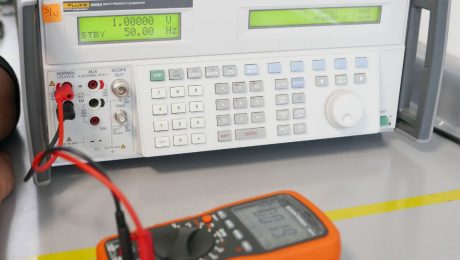
Why Multimeter Calibration Is Essential
Calibration is the process of verifying and adjusting an instrument’s accuracy by comparing it to a known standard. For multimeters, even a small deviation can result in incorrect readings, which can lead to misdiagnosed faults, safety risks, or compliance failures.- Maintain Measurement Precision: Even high-quality digital multimeters experience slight changes in performance over time due to internal component aging or environmental factors.
- Compliance with Industry Standards: Many industries require multimeters to be calibrated periodically to meet standards like ISO/IEC 17025, especially where measurements are tied to quality assurance or regulatory compliance.
- Safety and Reliability: A misreading from an uncalibrated multimeter could lead to dangerous mistakes, such as underestimating live voltage levels or incorrectly diagnosing faulty equipment.
- Audit and Traceability: For businesses, having calibrated instruments provides traceable measurement data that’s vital during audits or inspections.
Recommended Calibration Frequency for Multimeters
There is no one-size-fits-all schedule, but general guidelines apply based on usage and industry requirements:- Annually: This is the most common recommendation for standard usage across industrial or commercial settings.
- More Frequently for High-Use Environments: In sectors such as mining, power generation, or manufacturing where multimeters are used daily or under harsh conditions, calibration may be required every 6 months.
- After Repairs or Extreme Events: Any time a multimeter is dropped, exposed to high voltage, or repaired, it should be recalibrated before further use.
Signs Your Multimeter May Need Calibration
Even with regular calibration schedules, there are signs users should watch for that suggest a multimeter is no longer operating accurately:- Fluctuating Readings: Inconsistent results when measuring the same circuit may signal internal component drift.
- Out-of-Spec Measurements: If the readings don’t match known values (e.g. measuring a new battery), the meter may be out of calibration.
- Display Issues: Faded, blinking, or glitchy screens can indicate internal problems that may affect measurement integrity.
- Comparison With a Calibrated Device: If another recently calibrated multimeter shows a significantly different reading on the same test point, it’s time for calibration.
The Value of Professional Calibration Services
While some companies may have in-house calibration setups, most businesses benefit from outsourcing calibration to an accredited laboratory. XCalibration offers traceable, professional multimeter calibration services that comply with Australian standards and manufacturer specifications. Our technicians test every function, adjust as needed, and provide documentation for your compliance records. Regular calibration also extends the lifespan of your multimeter and supports proactive maintenance, reducing the likelihood of equipment failure. Multimeters absolutely need regular calibration to ensure the reliability of every reading they produce. Whether for safety, compliance, or quality control, staying on top of calibration schedules helps avoid costly mistakes and keeps operations running smoothly. If you’re unsure about your calibration needs, contact XCalibration to schedule your next multimeter calibration today.- Published in Calibration, Torque Tools
Why PAT Testers Require Calibration for Accurate Testing
Tuesday, 08 April 2025
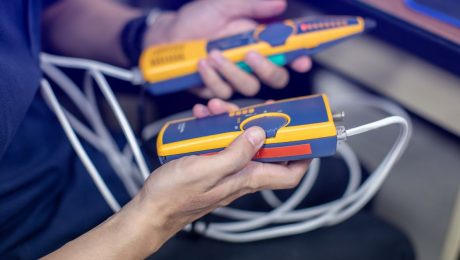
Why Calibration is Necessary for PAT Testers
Over time, all measurement instruments, including PAT testers, can drift from their original factory-set accuracy. This drift can be caused by frequent use, exposure to varying environmental conditions, or internal component wear. Even small inaccuracies can result in unsafe equipment being passed as compliant—or safe appliances being failed unnecessarily. By calibrating a PAT tester regularly, you ensure:- The readings it provides are precise and trustworthy.
- Test results comply with relevant safety standards and legal obligations.
- You maintain your professional reputation and avoid costly liabilities.
How Often PAT Testers Should Be Calibrated
The general recommendation for PAT tester calibration is once every 12 months. However, this may vary depending on several factors:- Frequency of Use: Daily use in high-demand environments may require shorter calibration intervals.
- Industry Requirements: Some sectors (e.g., mining, healthcare, or industrial manufacturing) may require more frequent calibration to meet internal QA/QC standards.
- Manufacturer Guidelines: Most manufacturers recommend an annual calibration schedule, which also keeps warranties valid and equipment covered under service agreements.
Benefits of Regular Calibration for PAT Testers
Routine calibration of PAT testers brings multiple benefits for individuals and businesses that rely on accurate test results:- Reliable Safety Compliance: Ensures that electrical appliances are properly assessed against safety benchmarks.
- Reduced Legal and Insurance Risk: In the event of an incident, accurate testing data shows due diligence and helps avoid liability.
- Increased Equipment Lifespan: Regular checks can identify early signs of internal wear or failure before major faults occur.
- Client and Stakeholder Trust: Demonstrates professionalism and adherence to high standards in electrical safety testing.
- Optimised Testing Efficiency: Well-calibrated equipment delivers quicker, more accurate results, minimising retesting and downtime.
How to Get a PAT Tester Calibrated
To ensure your PAT tester is properly calibrated, always send it to an accredited calibration lab—ideally one that specialises in electrical testing and complies with Australian standards such as ISO/IEC 17025. A professional calibration will:- Verify the tester against traceable standards.
- Adjust settings if necessary to restore accuracy.
- Provide a certificate as proof of compliance for audit and insurance purposes.
Regular Calibration for Long-Term Safety
If you’re using a PAT tester in a professional or regulatory capacity, ensuring its accuracy is not optional—it’s essential. Regular calibration not only helps you meet safety standards and maintain compliance but also protects your business and end users from potential harm. To stay compliant and confident in your PAT testing results, make sure your testers are calibrated annually or as required by your specific working conditions. For professional pat calibration services across Australia, contact XCalibration to schedule a check-up and keep your safety testing equipment in peak condition.- Published in Calibration, Torque Tools
Why Digital Torque Wrenches Require Regular Calibration
Tuesday, 08 April 2025
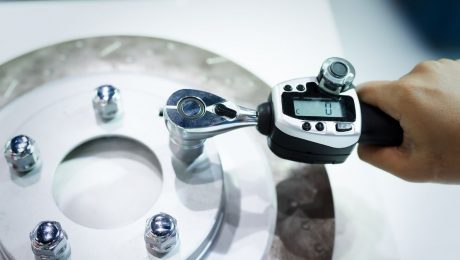
Why Calibration Is Essential for Digital Torque Wrenches
- Maintaining Accuracy and Safety
- Precision Matters: Even minor sensor deviations can produce significant torque errors—too much force may strip threads or damage components, while too little leaves fasteners loose and prone to failure.
- Avoiding Liability: In regulated sectors like aerospace or medical device assembly, off-spec torque readings can compromise product integrity and create liability risks.
- Ensuring Compliance
- Quality Standards: Many industries (e.g., ISO, AS9100) mandate traceable calibration to guarantee consistent tool accuracy.
- Legal or Contractual Requirements: Some contracts or local regulations specify calibration intervals for torque wrenches. Ignoring these can invite fines or disputes.
- Extending Tool Lifespan
- Wear and Tear Checks: Calibration labs often spot early signs of mechanical or electronic wear, preventing major failures or more expensive repairs later.
- Preserving Manufacturer Warranty: Reputable brands often require documented, regular calibration to maintain warranty coverage.
Recommended Calibration Frequency
- Annual or Semi-Annual for Moderate Use
- Standard Practice: Many professional workshops send digital torque wrenches for recalibration every 6–12 months, balancing cost with reliability.
- Monitored Usage: If your tool sees light tasks or is used infrequently, an annual schedule may suffice.
- Quarterly or Monthly for High-Risk Environments
- Intensive Settings: Assembly lines that rely on high-frequency torque checks—especially in mission-critical tasks—may opt for quarterly or even monthly calibrations.
- Reporting Errors: If you detect unexpected results (e.g., a jump in production defects), a prompt recalibration ensures safety and mitigates downtime.
- Post-Repair or Impact
- After Accidents: Dropping the wrench or performing major repairs can compromise the sensor alignment—recalibration verifies it’s returning accurate values.
- Recordkeeping: Keeping a log of usage cycles, repairs, and calibrations helps determine the best intervals for each tool.
Benefits of Keeping Digital Torque Wrenches Calibrated
- Consistent Measurement Accuracy
- Quality Assurance: Tightening bolts to the correct spec fosters consistent product quality, reducing rework and warranty claims.
- Operator Confidence: Workers can rely on tool readouts, speeding up production without second-guessing torque levels.
- Prolonged Tool Life
- Early Issue Detection: Calibration labs often notice electronic or mechanical drift early, letting you fix small faults before they escalate into permanent damage.
- Less Unplanned Downtime: A tool that’s regularly serviced is less likely to fail in the middle of a crucial job.
- Financial Savings and Efficiency
- Lower Scrap Rates: Fewer flawed assemblies or stripped fasteners keep material costs down.
- Reduced Liability: Avoiding torque-related failures in safety-critical applications can save on potential legal and reputational damages.
- Regulatory and Contractual Compliance
- Audit-Ready Records: Routine calibration logs offer transparency for inspections or audits, essential in many high-spec manufacturing environments.
- Maintain Accreditation: Sectors with strict protocols (e.g., aerospace, nuclear) consider regular torque wrench calibration non-negotiable.
- Published in Calibration, Torque Tools
How Often Should You Calibrate Electrical Equipment? Best Practices for Accuracy
Friday, 28 February 2025

Standard Calibration Intervals for Electrical Equipment
There’s no universal rule that applies to all electrical devices. However, the following intervals offer general guidelines:- Annual Calibration (Every 12 Months)
- A common practice for many general-purpose devices such as multimeters, clamp meters, and power meters.
- An annual cycle ensures these instruments remain within specified tolerances over the year.
- Semi-Annual or Quarterly Calibration
- High-precision lab equipment or devices used in critical processes (like medical or aerospace applications) may need calibration more often—every 6 months or even every 3 months.
- Some industries mandate stricter calibration intervals to meet strict quality assurance standards.
- Calibration Before Critical Operations
- In certain high-stakes environments—like calibration labs themselves or military test sites—equipment might be verified immediately before key procedures.
- This practice ensures absolute accuracy at the point of use, minimising risks of drifting or misreadings.
Factors Affecting Calibration Frequency
1. Equipment Usage and Workload
- High Workload: Instruments that are in constant use or exposed to heavy loads may drift from their calibrated settings faster.
- Standby or Infrequent Use: Even idle equipment can drift due to factors like aging electronics or environmental changes.
2. Environmental Conditions
- Temperature and Humidity: Extreme or fluctuating conditions can accelerate calibration drift. Devices in dusty or humid environments may also degrade more quickly.
- Vibration and Shock: Industrial areas with heavy machinery or frequent transport can affect internal components, prompting more frequent checks.
3. Industry and Regulatory Standards
- ISO/IEC Requirements: Labs seeking ISO/IEC 17025 accreditation must follow specific guidelines for calibration intervals.
- OEM Recommendations: Manufacturers often outline calibration schedules in device manuals. Overriding these without justification could risk performance or warranty conditions.
4. Historical Performance
- Track Record: If past calibration records show consistent accuracy, you might extend intervals slightly. On the flip side, frequent deviations suggest the need for tighter schedules.
- Preventive vs. Reactive: A proactive approach (based on historical data) can prevent sudden failures or costly rework due to uncalibrated instruments.
Benefits of Regular Calibration for Electrical Equipment
- Consistent Measurement Accuracy
- Regular calibration ensures devices provide reliable readings, vital for quality control and operational safety.
- Minimises discrepancies that could lead to product defects, rework, or inaccurate data logging.
- Safety and Compliance
- Electrical instrumentation used in high-risk environments (like power plants or medical facilities) must operate within strict tolerances to prevent malfunctions or accidents.
- Meeting mandatory calibration intervals protects your business from legal repercussions or fines.
- Extended Equipment Lifespan
- Routine calibration often includes inspections that detect early signs of wear or damage. Addressing these issues promptly extends the device’s usable life.
- Customer Confidence and Reputation
- If your business relies on precise measurements—like electronics manufacturers or test labs—showing calibration certificates builds client trust and enhances credibility.
- Accurate readings also keep customers happy by ensuring consistent product quality.
- Device usage and operational demands
- Environmental conditions
- Industry or regulatory requirements
- Historical calibration data and performance trends
- Published in Calibration