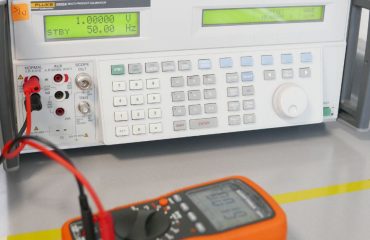
Electrical equipment—from multimeters and oscilloscopes to power supplies and circuit testers—plays a crucial role in modern industries. However, regular calibration is essential to maintain accuracy, ensure safety, and comply with industry regulations. How often should electrical equipment be calibrated? The frequency can vary depending on factors like equipment usage, environmental conditions, and manufacturer recommendations. In this guide, we’ll explore typical calibration intervals, discuss the variables affecting those schedules, and highlight the benefits of consistent calibration.
Standard Calibration Intervals for Electrical Equipment
There’s no universal rule that applies to all electrical devices. However, the following intervals offer general guidelines:
- Annual Calibration (Every 12 Months)
- A common practice for many general-purpose devices such as multimeters, clamp meters, and power meters.
- An annual cycle ensures these instruments remain within specified tolerances over the year.
- Semi-Annual or Quarterly Calibration
- High-precision lab equipment or devices used in critical processes (like medical or aerospace applications) may need calibration more often—every 6 months or even every 3 months.
- Some industries mandate stricter calibration intervals to meet strict quality assurance standards.
- Calibration Before Critical Operations
- In certain high-stakes environments—like calibration labs themselves or military test sites—equipment might be verified immediately before key procedures.
- This practice ensures absolute accuracy at the point of use, minimising risks of drifting or misreadings.
These intervals serve as starting points—ultimately, you might adjust them based on operational demands, risk assessments, and usage intensity.
Factors Affecting Calibration Frequency
1. Equipment Usage and Workload
- High Workload: Instruments that are in constant use or exposed to heavy loads may drift from their calibrated settings faster.
- Standby or Infrequent Use: Even idle equipment can drift due to factors like aging electronics or environmental changes.
2. Environmental Conditions
- Temperature and Humidity: Extreme or fluctuating conditions can accelerate calibration drift. Devices in dusty or humid environments may also degrade more quickly.
- Vibration and Shock: Industrial areas with heavy machinery or frequent transport can affect internal components, prompting more frequent checks.
3. Industry and Regulatory Standards
- ISO/IEC Requirements: Labs seeking ISO/IEC 17025 accreditation must follow specific guidelines for calibration intervals.
- OEM Recommendations: Manufacturers often outline calibration schedules in device manuals. Overriding these without justification could risk performance or warranty conditions.
4. Historical Performance
- Track Record: If past calibration records show consistent accuracy, you might extend intervals slightly. On the flip side, frequent deviations suggest the need for tighter schedules.
- Preventive vs. Reactive: A proactive approach (based on historical data) can prevent sudden failures or costly rework due to uncalibrated instruments.
Benefits of Regular Calibration for Electrical Equipment
- Consistent Measurement Accuracy
- Regular calibration ensures devices provide reliable readings, vital for quality control and operational safety.
- Minimises discrepancies that could lead to product defects, rework, or inaccurate data logging.
- Safety and Compliance
- Electrical instrumentation used in high-risk environments (like power plants or medical facilities) must operate within strict tolerances to prevent malfunctions or accidents.
- Meeting mandatory calibration intervals protects your business from legal repercussions or fines.
- Extended Equipment Lifespan
- Routine calibration often includes inspections that detect early signs of wear or damage. Addressing these issues promptly extends the device’s usable life.
- Customer Confidence and Reputation
- If your business relies on precise measurements—like electronics manufacturers or test labs—showing calibration certificates builds client trust and enhances credibility.
- Accurate readings also keep customers happy by ensuring consistent product quality.
So, how often should electrical equipment be calibrated? While an annual interval is a common benchmark, a shorter cycle—such as semi-annually or quarterly—may be necessary for critical or high-usage instruments. Ultimately, calibration schedules should reflect:
- Device usage and operational demands
- Environmental conditions
- Industry or regulatory requirements
- Historical calibration data and performance trends
By balancing these factors and adopting proactive calibration practices, businesses can achieve consistent accuracy, safety compliance, and long-term cost savings. Regular calibration isn’t just an administrative task—it’s a strategic investment that underpins the reliability and quality of your electrical operations.