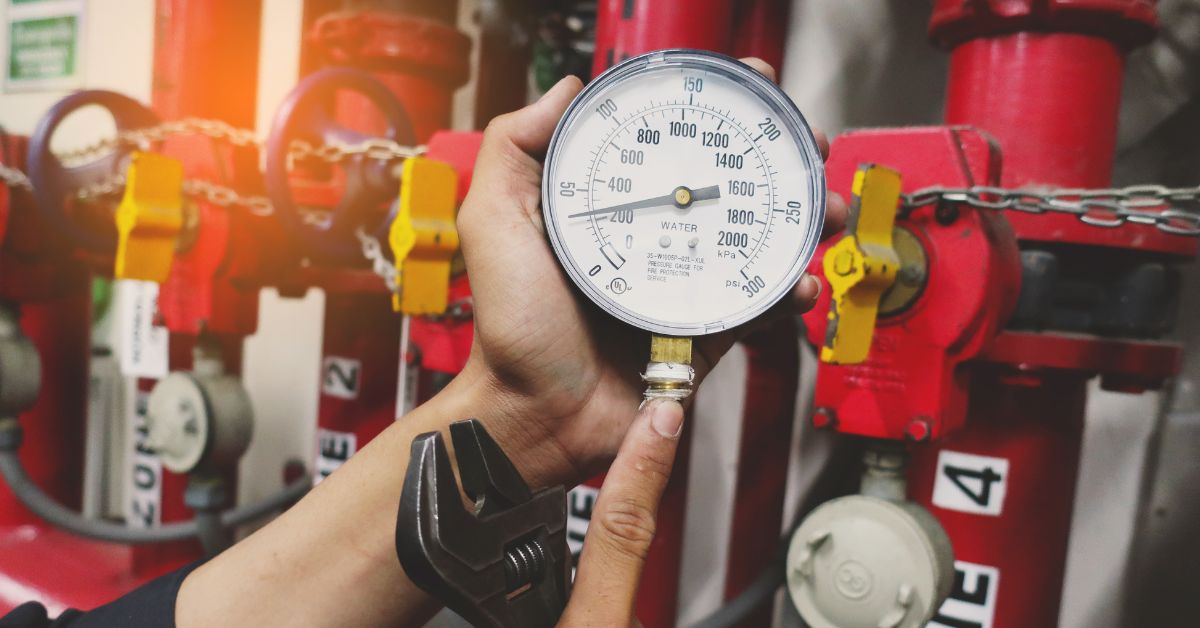
In industrial environments, accurate pressure readings are essential for safety, efficiency and compliance. Pressure gauges monitor critical processes across oil and gas, pharma, manufacturing and aerospace. If you’re wondering “do pressure gauges need to be calibrated”, the answer is yes—regular calibration prevents failures, safety hazards and costly downtime.
Pressure gauges, like all measuring instruments, can drift over time due to factors such as mechanical stress, temperature fluctuations, and regular wear and tear. Regular calibration ensures that these instruments provide accurate readings, maintaining the integrity of industrial processes and safeguarding against potential risks. This article delves into the importance of pressure gauge calibration, signs that indicate a gauge may need calibration, and the benefits of maintaining a regular calibration schedule.
Why Pressure Gauge Calibration is Essential
Do pressure gauges need to be calibrated as part of routine maintenance? Yes. Calibration compares a gauge against a known standard and adjusts as needed to restore accuracy—vital for reliability, safety, compliance and process efficiency.
- Maintaining Reliability
Over time, pressure gauges can lose their accuracy due to mechanical fatigue, exposure to harsh environments, or accidental damage. Calibration restores the instrument’s accuracy, ensuring that it continues to provide reliable measurements. Reliable pressure readings are crucial for controlling processes, maintaining product quality, and ensuring the safety of operations.
- Ensuring Safety
Inaccurate pressure readings can lead to dangerous situations. For instance, if a pressure gauge underestimates the actual pressure, it may not signal an overpressure condition, potentially leading to equipment rupture or explosions. Regular calibration helps prevent such incidents by ensuring that pressure gauges accurately reflect the true system pressure.
- Compliance with Standards and Regulations
Many industries are governed by strict standards and regulations that require regular calibration of measuring instruments. Compliance with these regulations is not only a legal obligation but also promotes best practices in maintaining equipment and ensuring safety. Regular calibration records can serve as evidence of compliance during audits and inspections.
- Optimising Operational Efficiency
Accurate pressure measurements are essential for optimising processes and reducing waste. Inaccurate gauges can lead to inefficiencies, such as using more energy than necessary or producing off-spec products. Calibration ensures that processes run at optimal conditions, saving time and resources.
Signs Your Pressure Gauge May Need Calibration
Still asking “do pressure gauges need to be calibrated” right now or can it wait? Watch for these signs that immediate calibration is due:
- Drift in Readings
One of the most common signs is a noticeable drift in pressure readings. If the gauge consistently shows values that are higher or lower than expected, it may have lost its calibration. Comparing readings with a second, trusted gauge can help identify drift issues.
- Wear and Tear
Physical damage or wear and tear can affect a gauge’s accuracy. Signs of wear may include a sticking pointer, cracked glass, damaged casing, or worn internal components. Such physical degradation necessitates calibration or possibly replacement.
- Exposure to Extreme Conditions
Gauges exposed to extreme temperatures, pressure spikes, vibration, or corrosive substances are more likely to lose accuracy. These conditions can alter the mechanical properties of the gauge’s components, leading to measurement errors.
- After Maintenance or Repairs
Any time a pressure gauge undergoes maintenance or repairs, it should be recalibrated. Disassembling and reassembling the gauge can affect its calibration, so it’s essential to verify its accuracy before putting it back into service.
- Regulatory Requirements
If industry regulations or company policies specify calibration intervals, it’s crucial to adhere to these schedules. Ignoring mandated calibration can lead to compliance issues and increased risk of equipment failure.
Benefits of Regular Calibration
Implementing a routine calibration schedule offers several significant benefits:
- Enhanced Safety
Regular calibration ensures that pressure gauges provide accurate readings, which is vital for the safe operation of equipment. Accurate pressure monitoring can prevent catastrophic failures, protect personnel, and reduce the risk of accidents.
- Compliance with Regulations
Maintaining calibrated instruments helps companies comply with industry standards and legal requirements. Compliance not only avoids penalties but also demonstrates a commitment to quality and safety to customers and regulatory bodies.
- Improved Measurement Accuracy
Calibration corrects any deviations in a gauge’s readings, ensuring that measurements are precise. Accurate measurements are essential for process control, product quality, and overall operational efficiency.
- Cost Savings
By preventing equipment failures and process inefficiencies, regular calibration can lead to significant cost savings. It reduces the likelihood of unplanned downtime, costly repairs, and loss of production.
- Extended Equipment Life
Well-maintained and accurately calibrated gauges contribute to the longevity of equipment. They ensure that systems operate within their designed parameters, reducing excessive stress and wear on components.
- Data Integrity
For industries that rely on data for analysis and decision-making, the accuracy of pressure readings is paramount. Calibrated gauges provide reliable data, supporting effective process management and optimisation.
In the intricate world of industrial operations, the question isn’t just “do pressure gauges need to be calibrated?” but rather “how often should pressure gauges be calibrated to ensure optimal performance?” Regular calibration is not a mere recommendation; it’s a necessity for maintaining the accuracy, safety, and efficiency of industrial processes. It ensures that pressure gauges provide reliable readings, safeguarding equipment, personnel, and the integrity of operations.
Investing in a regular calibration programme is an investment in the long-term performance of your equipment. It minimises risks, enhances compliance with regulations, and contributes to cost savings by preventing failures and inefficiencies. In an environment where precision is paramount, calibration is the key to sustaining excellence and operational success.